

Binge-watching has become a cultural norm, changing how we consume entertainment and spend our free time.
It starts with one episode, then another. Before you know it, the sun is rising, your snacks are gone and Netflix asks, “Are you still watching?”
With streaming platforms offering endless content and auto play features, it’s much easier to lose track of time.
Watching multiple episodes in a row may seem harmless, but it can disrupt sleep. Binge-watching often delays bedtime and reduces sleep quality, leaving viewers fatigued and drowsy the next day.
Prolonged viewing can interfere with natural sleep patterns and erode overall well-being over time. Blue light from screens can also make it difficult to fall asleep.
Beyond sleep, binge watching also impacts focus and daily routines. Extended screen time trains the brain to crave constant stimulation, making it harder to concentrate on work, school or personal projects.
Over time, this habit can replace healthier activities like exercise, reading and social interaction. Mental health is another area of concern.
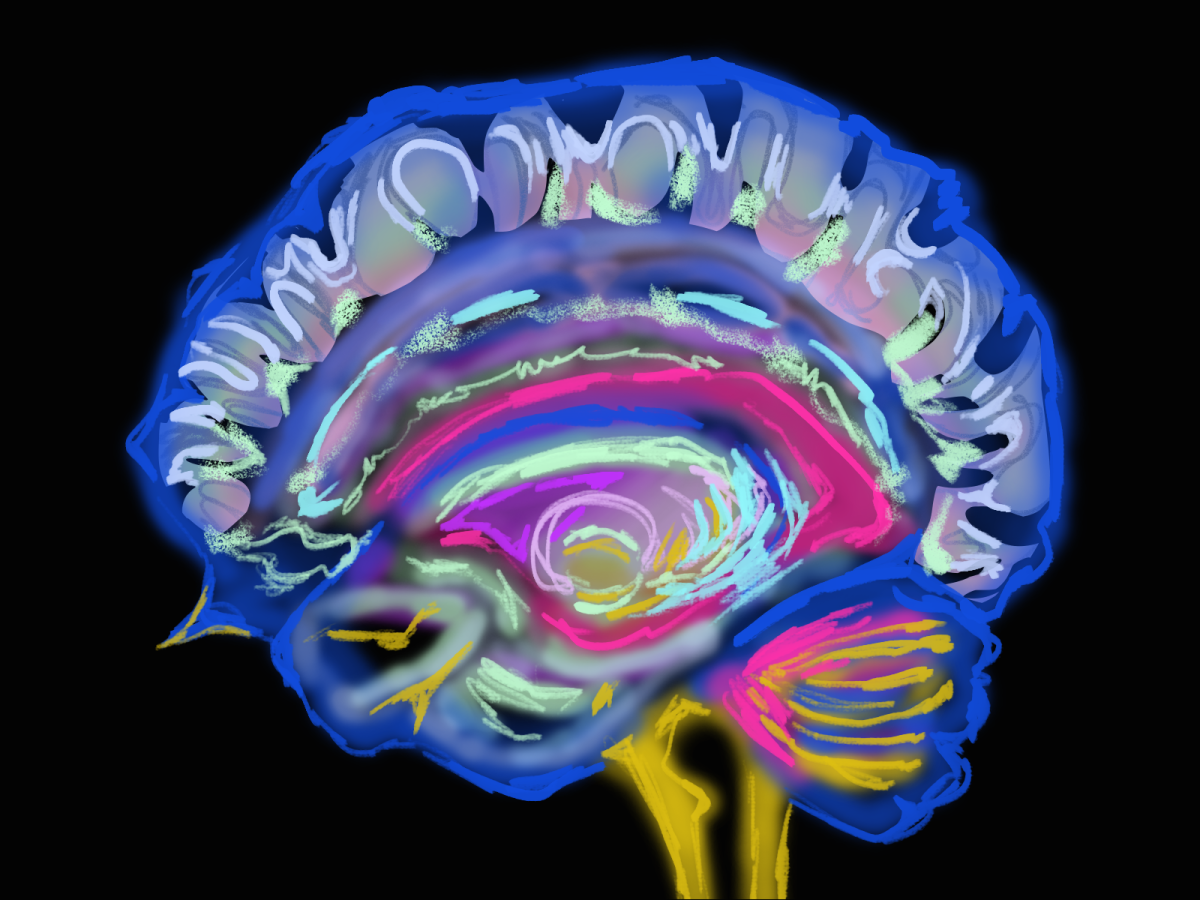
Excessive binge watching has been linked to higher levels of anxiety, depression and loneliness. Long sessions can leave viewers feeling emotionally drained and socially isolated. The emotional impact can linger long after the screen turns off.
Viewers are often left feeling guilty for wasting time or struggling to engage with real life responsibilities. These feelings can build up, especially when binge-watching can be used to escape from stress or difficult situations.
Social isolation can also increase when binge-watching replaces human interaction. Instead of connecting with others, people may fall into a fictional world to escape their own.
This can create a cycle of isolation that’s hard to break. Long term effects can include persistent mental health challenges and impaired emotional regulation.
Repeated binge-watching and addictive behaviors can increase risks for cognitive and mood problems. Combined with continued sleep disruptions and poor daily habits, this kind of routine can wear a person out.
But binge-watching isn’t entirely bad. It provides entertainment, relaxation and a way to bond with friends over shared interests. The key is knowing when to stop and making time for other activities that don’t include a screen.
By setting limits and becoming more mindful about excessive screen time, viewers can enjoy their shows without compromising their health. Awareness and moderation are essential for maintaining balance in a technologically advanced world.
Entertainment should be used to enhance life, not escape it.