

Just days ago, Canal Street in Lower Manhattan buzzed like any other afternoon. Tourists compared shades of Dior and Louis Vuitton bags, vendors shouted prices for wallets and cardholders and the familiar rhythm of bargaining filled the air. Then, the same street felt tense. Vendors and shop owners watched nervously as tourists moved cautiously, unsure who might be a federal agent.
Walking along Canal Street now feels unsettling; the usually chaotic sidewalks are half-empty. Vendors hide merchandise in black trash bags, ready to flee at the slightest provocation, while souvenir shop owners watch every passerby nervously and even tourists move cautiously. Many New Yorkers have criticized ICE’s tactics, arguing that these actions do not make the city safer but instead spread fear throughout the community.
The focus on African and immigrant vendors suggests enforcement was guided by stereotypical assumptions about race and questionable legality rather than public safety. While the Department of Homeland Security emphasizes the goal of “making Canal Street safe again,” the stark reality is one of fear, caution and disruption.
Canal Street, once a symbol of survival and entrepreneurial hustle, now feels subdued and closely surveilled — a reminder that behind every counterfeit handbag lies not only imitation luxury but also a story of migration, struggle and the fragile line between survival and criminalization.
On Oct. 21, more than 50 federal officers swept through Canal Street in broad daylight, detaining several African immigrants while pedestrians recorded the scene. The Department of Homeland Security described the operation as one “focused on criminal activity relating to selling counterfeit goods.”
Yet to many observers, it appeared to be a coordinated show of federal power in one of New York’s busiest, most diverse neighborhoods.
Witnesses reported that officers, some in uniform and others in plain clothes, moved quickly between Church and Lispenard Streets, stopping men who were selling or simply standing nearby. “They’re just grabbing people, putting them in cuffs,” said Kaden Cummings, 23, who filmed the operation.
“Nobody is identifying themselves, explaining. There’s no due process going on. It’s just straight to the back of a van if you’re African on Canal.”
For decades, Canal Street has been the heart of New York’s underground luxury trade — a strip between Chinatown and SoHo where vendors sell counterfeit handbags, sneakers and watches for a fraction of designer prices. More than a market, Canal Street is a cultural landmark that represents the city’s informal economy.
Shoppers know the exact “spots” for knockoff Louis Vuitton or Chanel bags. Immigrant vendors, primarily African and Chinese sellers, spread their goods on white sheets along the pavement. One curious glance is enough to hear, “Bag? Watch? Good price!” They work quickly and confidently, enticing tourists fresh from buying an “I Love NY” T-shirt to consider a $60 “Chanel” purse.
But recently, this rhythm was disrupted. Viral videos from pro Trump social media influencers showing African vendors selling counterfeit goods prompted calls for U.S. Immigration and Customs Enforcement to intervene.
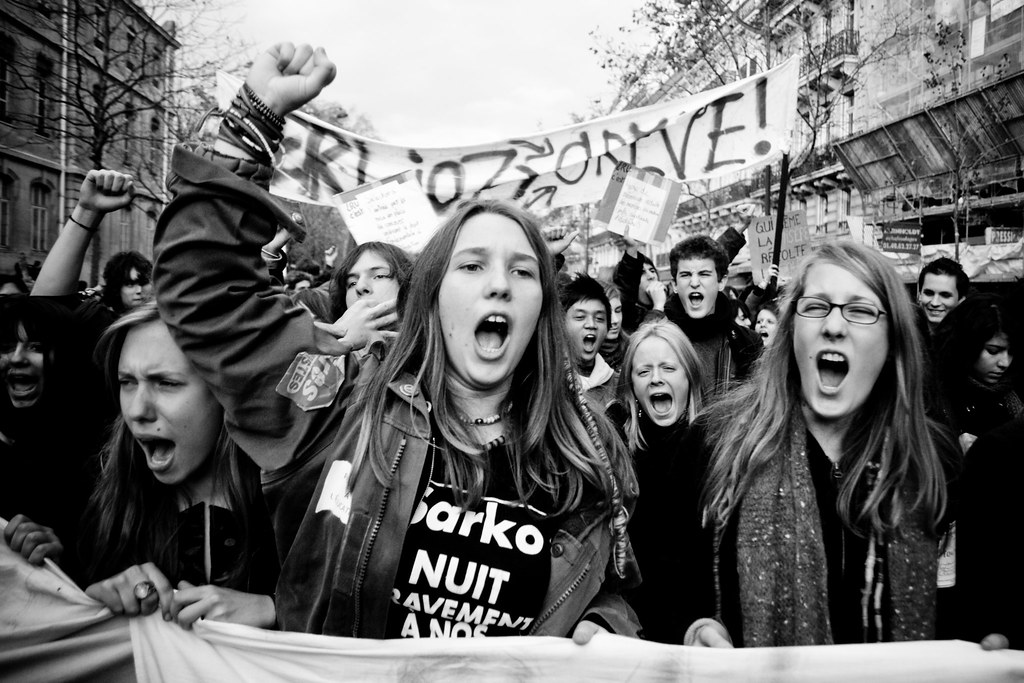
Activists criticized the raids as a showing of racial profiling and intimidation. “We are against ICE’s blatantly violent tactics. Hordes of ICE agents showing up are unacceptable, immoral, unjust,” Hanif, a local organizer, said. Footage showed officers pushing vendors against vans and confiscating counterfeit handbags while bystanders shouted, “Let them go!”
Tricia McLaughlin, a DHS spokesperson, confirmed that ICE led the operation with the FBI and Border Patrol. The raid resulted in the arrest of nine individuals, though their immigration status was not immediately disclosed, raising questions about whether the operation targeted only counterfeit sales or broader immigration enforcement.
City officials were quick to distance themselves.
“New York City does not cooperate with federal law enforcement on civil deportations, in accordance with our local laws,” Mayor Eric Adams said. “Our administration has been clear that undocumented New Yorkers trying to pursue their American Dreams should not be the target of law enforcement.”
Adams has urged federal resources to focus more on violent crime instead. The NYPD confirmed it was not involved in the operation.