
Gov. Kathy Hochul and her Republican challenger, Bruce Blakeman, used a questionable legal loophole that allows them to circumvent caps on individual campaign contributions through transfers from party committees in the 2026 gubernatorial election.
New York law permits individuals to donate a maximum of $9,000 to a gubernatorial candidate in the general election, but a little over $130,000 is the limit for donating to a political party committee.
Democrat and Republican candidates alike receive large sums of campaign money from party committees, since there are no restrictions on transferring donations from the parties to an individual candidate.The cash transfer loophole is only scaling up as time passes.
Hochul’s campaign received $10 million from the New York Democratic Committee, the highest transfer seen in 12 years, while Blakeman saw $3.5 million in transfers from the Nassau County GOP.
New Yorkers—through their political donations—are the ones indirectly footing the bills of gubernatorial candidates. This is dishonest on the part of lawmakers because bureaucracy makes it difficult for an average person to track where their contributions to political party committees go, especially in an era when Americans are concerned about money overwhelming politics.
Blair Horner, a senior policy advisor for the New York Public Interest Research Group, called the money transfer loophole “a mockery of all of the campaign contribution limits that exist under the law.”
To keep campaign finances transparent to voters, an independent board of regulators elected by New Yorkers or appointed by an unbiased third party should create easily accessible reports in plain English that explain complicated governmental processes and break down where the money comes from and who provides it.
These reports will remove the obscure nature of typical campaign funding documents, since the process for finding information is purposefully difficult.
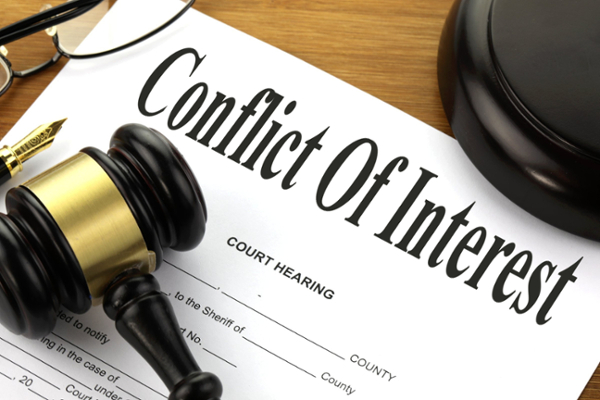
Outside regulators are the preferred path to transparency because the beneficiaries of this loophole—the governor and gubernatorial candidates—are not reliable allies in constructing laws that would eliminate the loophole altogether, due to their conflicting interests.