
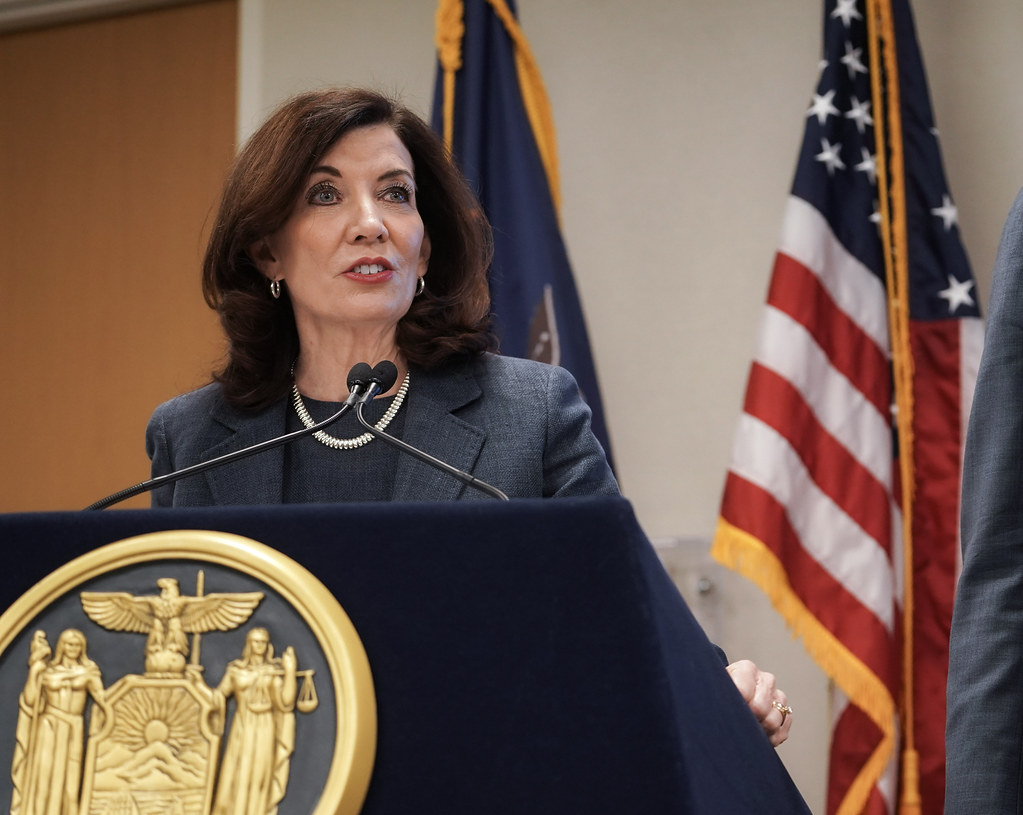
New York Gov. Kathy Hochul issued an executive order on Oct. 5 declaring a state disaster emergency in response to the ever-growing number of measles cases in rural New York, as well as similarly rising numbers in bordering states.
The executive order follows a recent surge in measles cases, with 108 recorded incidents of the virus throughout New York State as of Oct. 3, seven of which were recorded in New York City.
Measles is a highly contagious disease that can cause serious health complications, primarily in children under the age of five. The measles virus presents itself with symptoms in the form of a rash, later accompanied by conjunctivitis, a runny nose, cough and a high fever around 104 degrees Fahrenheit.
According to the Center for Disease Control and Prevention, the measles virus has the potential to infect nine in 10 people who come in close contact with an infected person through the air when they cough or sneeze or if the individual is not properly vaccinated.
Complications from the virus can range from ear infections and diarrhea to more extreme conditions such as pneumonia, encephalitis, immune amnesia and, in rare cases, death. Measles death targets those under five that are under-immunized against the virus.
Currently, the most effective protection against the virus is the measles, mumps and rubella vaccine. The vaccine is administered in two doses, the single dose is around 93% effective at preventing measles and the second dose bumps the effectiveness to around 97%.
New York’s measles cases are highly concentrated among under-immunized rural communities in 18 counties. As of Oct. 20, Otsego County had 21 reported cases, followed by Seneca County with 30 reported cases and Steuben County with 19 cases.
The three counties are considered to be some of the lowest-income relative to other counties in New York State.
Additionally, they are at a geographic disadvantage due to their remoteness and distance from major hospitals. Therefore, they are left to rely solely on rural medicine, which later begs the question of vaccination accessibility.
Despite both geographic and financial hurdles, public hesitancy is attributed to the primary cause of the current spread of the virus. Since 2025, there has been a heightened level of skepticism and fearmongering surrounding vaccinations due to political shifts, the amplification of health misinformation on social media utilizing buzzwords and the start of the “new right” media age.
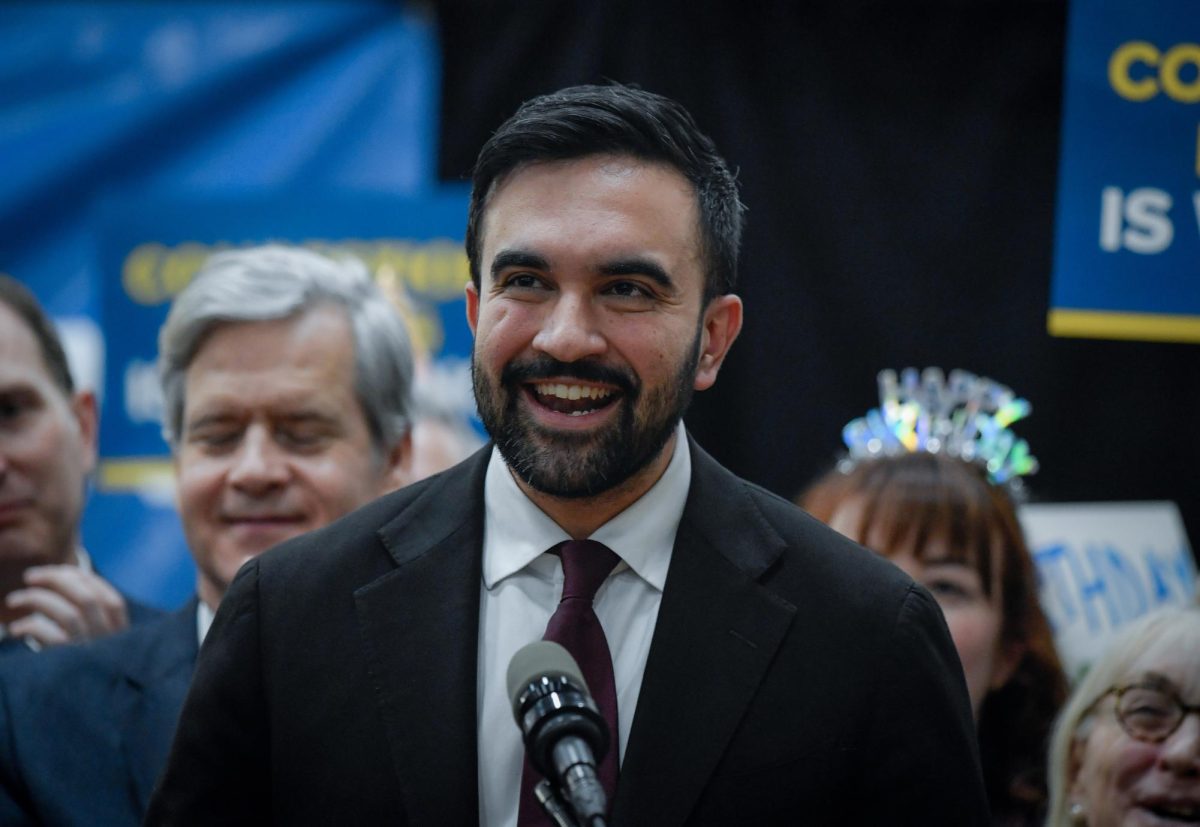
State Senator Gustavo Rivera corroborated this in a statement, saying, “The concerning rise in measles cases is due to a decrease in childhood vaccines driven by misinformation and is causing a public health emergency.”
Hochul also said, “No one should get seriously ill or die from a vaccine-preventable disease. These emergency measures will protect New Yorkers and support our community partners as they work tirelessly to address the spread of this disease.”
The measles outbreak follows a similar trend occurring across the nation. As of Oct. 15, 4,410 confirmed measles cases had been reported throughout 47 state jurisdictions.
Per the CDC, “Measles was declared eliminated from the United States in 2000. However, since early 2025, U.S. measles cases have been increasing, and we’ve had several large outbreaks of more than 50 cases.”
The surge of measles cases in rural New York ultimately underscores an ever-growing public health crisis that is driven by dropping vaccination rates and the rise of misinformation.
As state officials work to implement emergency measures to protect the public, the outcome will heavily depend on how efficiently they can work to restore the public’s trust in routine immunizations to prevent the resurgence of highly contagious diseases like measles.