
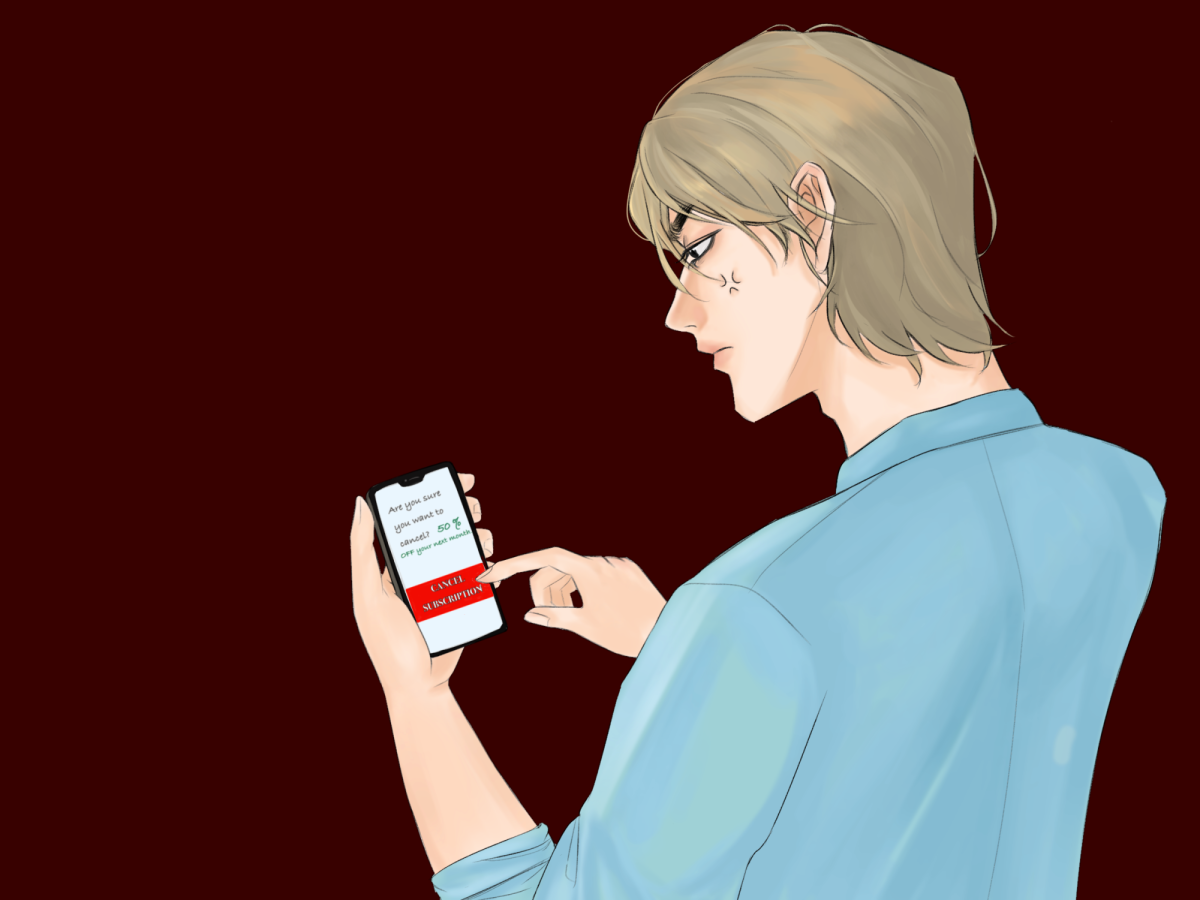
New York City’s “Click to Cancel” rule took effect on Oct. 1 after it was first proposed by the Department of Consumer and Worker Protection in April 2026.
The rule comes after companies have created barriers for customers trying to cancel subscriptions and offered free trials that became recurring charges consumers may not have intended to pay.
It calls for transparency as companies must now clearly explain subscription terms and disclose consumers’ rights. They must also provide a straightforward cancellation process similar to the method consumers used to sign up and can’t ask consumers to pay to ship back products the businesses provided for free.
According to the Roosevelt Institute, the click-to-cancel initiative is projected to save New Yorkers between $21.5 million and $162.5 million a year and at least 600,000 hours per year.
If a business does not follow the click-to-cancel rule, it can face at least $525 per violation. A customer who believes a business has violated the rules can file a complaint either by calling 311, through mail or fax or through the online complaint portal.
To check on the status of a complaint, customers can use the number provided after submitting a complaint.
“No one should need 45 minutes of hold music to stop paying for something they never wanted,” Mayor Zohran Mamdani said.
However, despite the click-to-cancel rule taking effect, there are still businesses that oppose the rule.
According to NetChoice, a trade association that represents internet companies committed to free expression online, the rule raises concerns about the potential cost and challenges it creates for businesses.
NetChoice also argued it will not only affect businesses, but also customers, as they won’t be alerted about discounted retention offers while trying to cancel. These concerns highlight the differences between consumer protection efforts and businesses.