
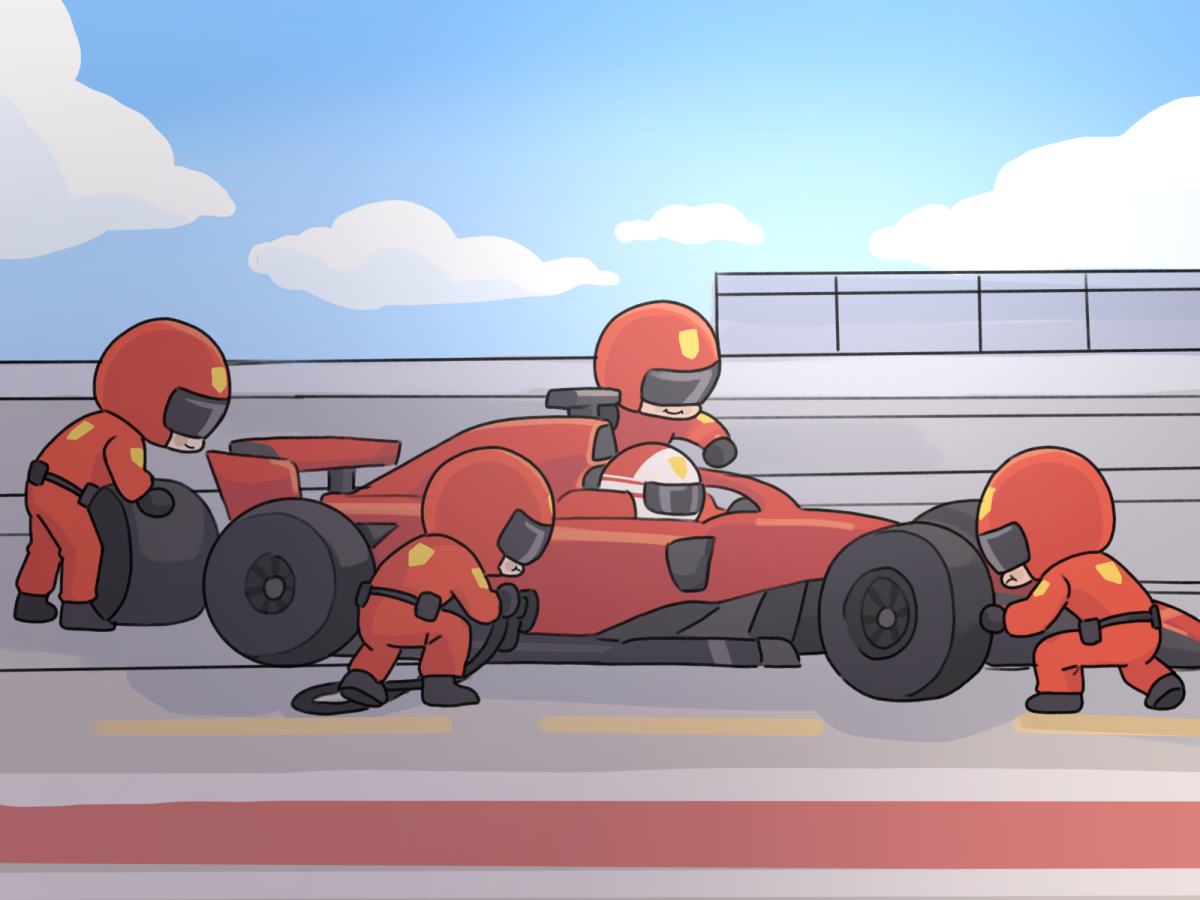
Formula 1 cars change regularly from the first race of the season to the last. Teams frequently update parts on their cars and there is a specific system in place that governs when and how those upgrades can happen.
One part of this is called additional development and upgrade opportunities. The Fédération Internationale de l’Automobile measures how each engine manufacturer is performing compared to the best engine during set periods of the season. They use the Internal Combustion Engine performance index to measure it.
The FIA looks at factors such as engine speed, input shaft torque and MGU-K power across specific periods of the season to calculate the ICE performance index.
If a manufacturer is between 2% and 4% behind the leading engine, they receive one additional upgrade that season and one more the following year. If they are more than 4% behind, they receive two additional upgrades that season and two more the following year.
This year, Red Bull was ranked as having the top engine, so they did not qualify for any additional upgrades under ADUO.
Mercedes, Ferrari, Audi and Honda were all judged to be behind Red Bull, so each was cleared to develop and introduce upgraded engines during the season.
According to FIA Single Seater Director Nikolas Tombazis, ADUO also works as a cost cap relief mechanism. Manufacturers who qualify are given additional budget allowances which range from about $3 million for those 2% to 4% behind and up to $11 million for manufacturers more than 10% behind the leading engine.
Engine changes are not the only kind of upgrades teams make. Teams also bring new aerodynamic parts to their cars at various points in the season, separate from the ADUO process entirely.
McLaren brought several of these updates over the course of the year. Heading into the Belgian Grand Prix, they introduced a new rear wing that was tested and evaluated during practice sessions.
Both of their cars were also fitted with a new ICE unit supplied by Mercedes, built specifically to improve reliability. At the time, Neil Houldey, McLaren’s technical director for applied engineering, said the team was not expecting a major jump in performance from that update alone.
A larger upgrade package followed at the next race in Hungary. McLaren described it as a more significant step compared to the smaller Belgian update.
Later in the season, McLaren brought a new set of parts to the Dutch Grand Prix including a new floor, rear wing, engine cover, diffuser twerks and new front wheel rims. Neil Houldey explained that these parts were not linked together as a single package and instead each one contributed to aerodynamic performance on its own.
Lando Norris won the next two races in a row from pole position following that update.
These examples illustrate how both the ADUO engine rules and separate aerodynamic development shape a team’s performance at different points in the season. Engine upgrades are tied to FIA performance rankings and specific eligibility periods, while aerodynamic upgrades can be introduced by teams at their own pace throughout the year.
As a result, the car a team races with in the early rounds of a season is often different from the one the team races with later, due to upgrades along the way.