
Bright costumes, hamantaschen pastries and the lively retelling of an ancient story make Purim one of the most joyful holidays on the Jewish calendar. This year, Purim fell on March 2 and 3.
Commemorating the events of the “Book of Esther,” Purim celebrates courage, resilience and the triumph of survival against adversity. From dressing up in playful disguises to sharing hamantaschen with friends and family, the holiday blends tradition with festivity in a meaningful way.
The name “Purim” originates from ancient Persia, meaning “lots.” According to the “Book of Esther,” the story is about a young Jewish woman named Esther who rises to become queen, concealing her identity at first, until a royal official named Haman plots to annihilate the Jewish people.
An article in My Jewish Learning explained that, “Even though Esther has hidden her Jewish identity from all, her guardian Mordecai prevails on her to risk her life by revealing her true identity to the king in the hopes of foiling Haman’s evil plan… For thousands of years, the story has offered hope to minority Jewish populations, often living in hostile majority cultures.”
From hamantaschen to halva, Miriam Szokovski, a writer and editor for Chabad Magazine, shared an array of food options and recipes to enjoy throughout the holiday.
One of the four mitzvahs of Purim is sharing a festive meal, a tradition that “begins before sundown on Purim day and lasts well into the evening.” The table is typically set with a decorative tablecloth and candles. Families wash for challah before enjoying a meal often filled with meat, wine, songs and words of Torah.
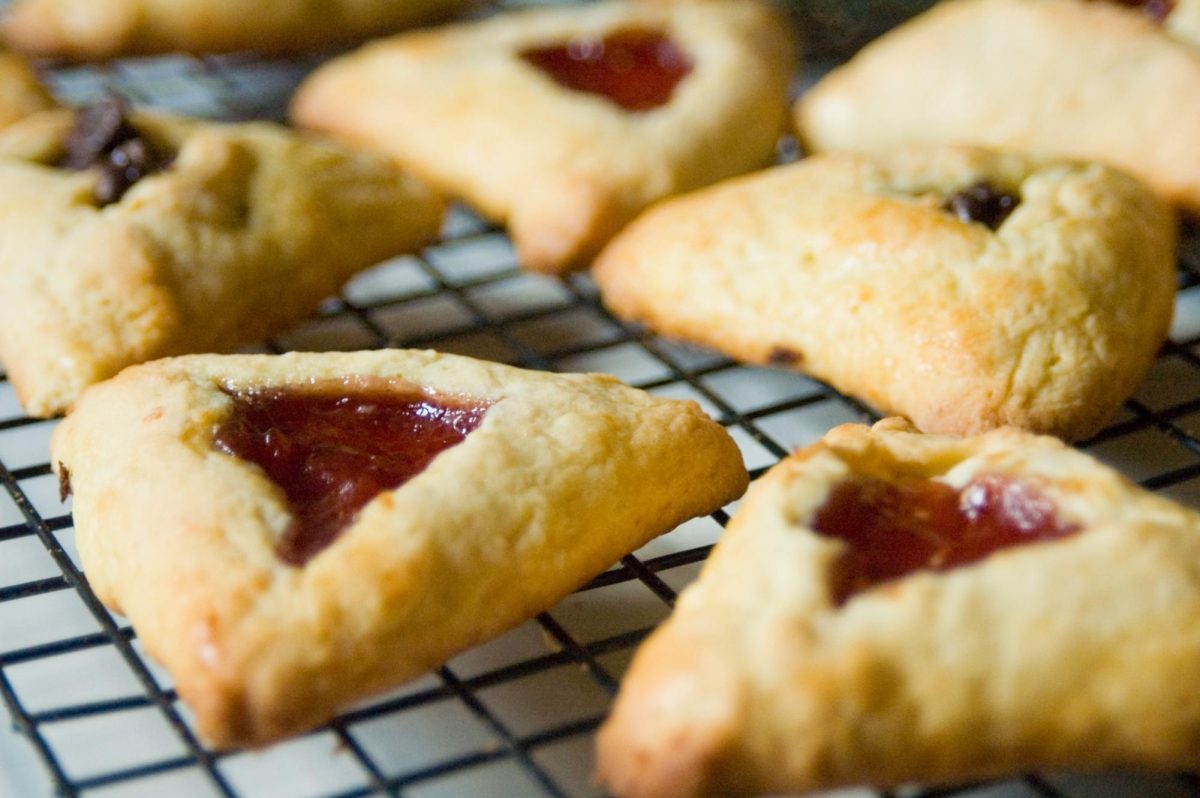
No Purim celebration is complete without hamantaschen, triangular cookies filled with poppy seed, fruit preserves or chocolate.
The three-cornered shape is often said to represent Haman’s hat, or ears, symbolizing the defeat of the story’s villain. Baked in home kitchens and shared through gift baskets called “mishloach manot,” hamantaschen add both sweetness and symbolism to the holiday celebration.
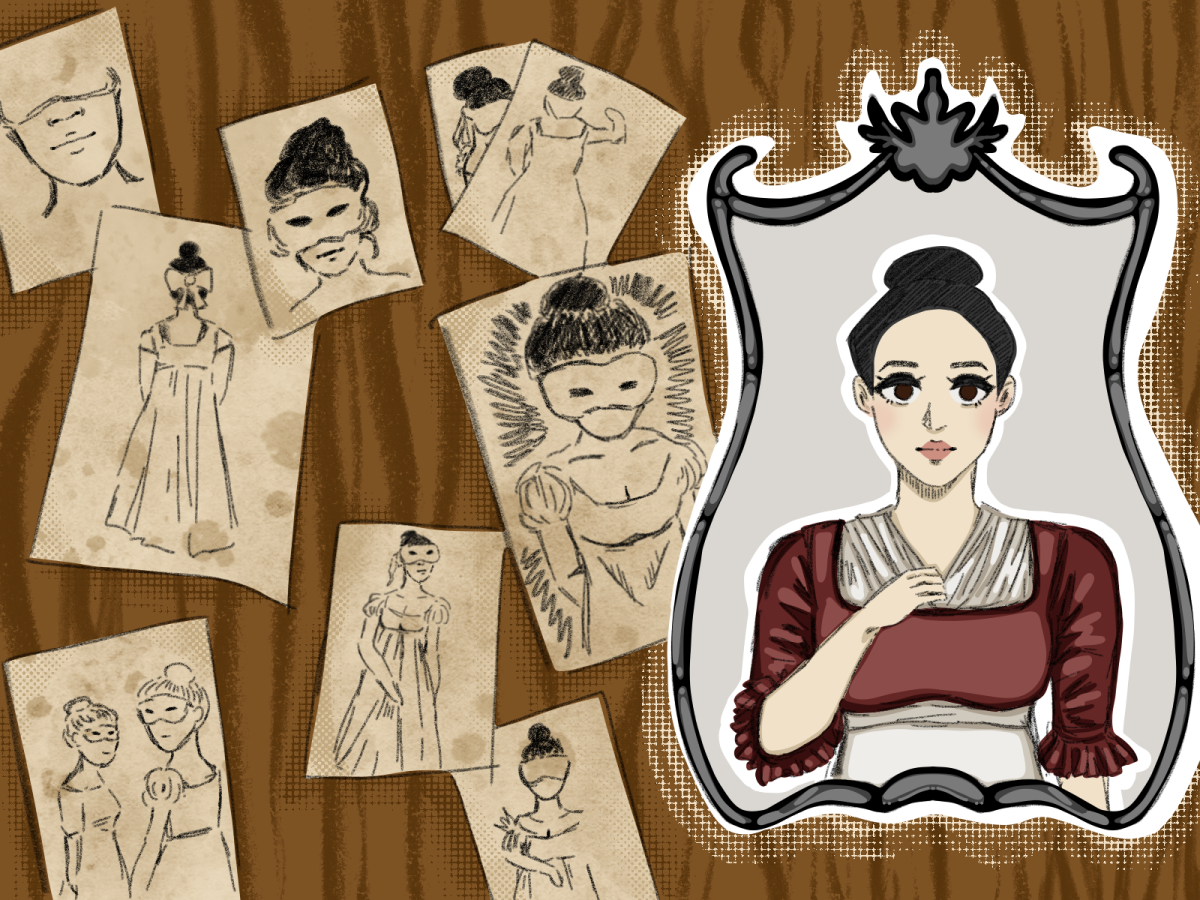
Costumes are another defining part of Purim. Children and adults dress up as everything from biblical characters to pop culture icons, embracing the playful spirit of the holiday. The tradition of disguises reflects one of Purim’s central themes: hidden identity and miracles, as Esther concealed her identity before revealing it.
The costumes add joy and humor to the celebration, turning a story of survival into a lively, communal festival.
Chabad Magazine noted “the custom of wearing costumes on Purim is an allusion to the nature of the Purim miracle, where the details of the story are really miracles hidden within natural events.”
The deeper message of the holiday is that Jewish tradition teaches that beneath the surface, even when purpose is concealed, there is intention, meaning and quiet guidance shaping the story.
Purim is not a holiday of silence or hesitation. It is marked by unrestrained celebration and visible pride because throughout history, resilience and joy have defined Jewish survival and that enduring spirit remains the ultimate victory.