
The National Retail Federation projected Valentine’s Day spending to reach $29.1 billion nationwide this year, meaning local businesses prepared months in advance for the increase in foot traffic that was projected. On average, Americans are expected to spend about $200 on gifts, experiences and celebrations for the holiday.
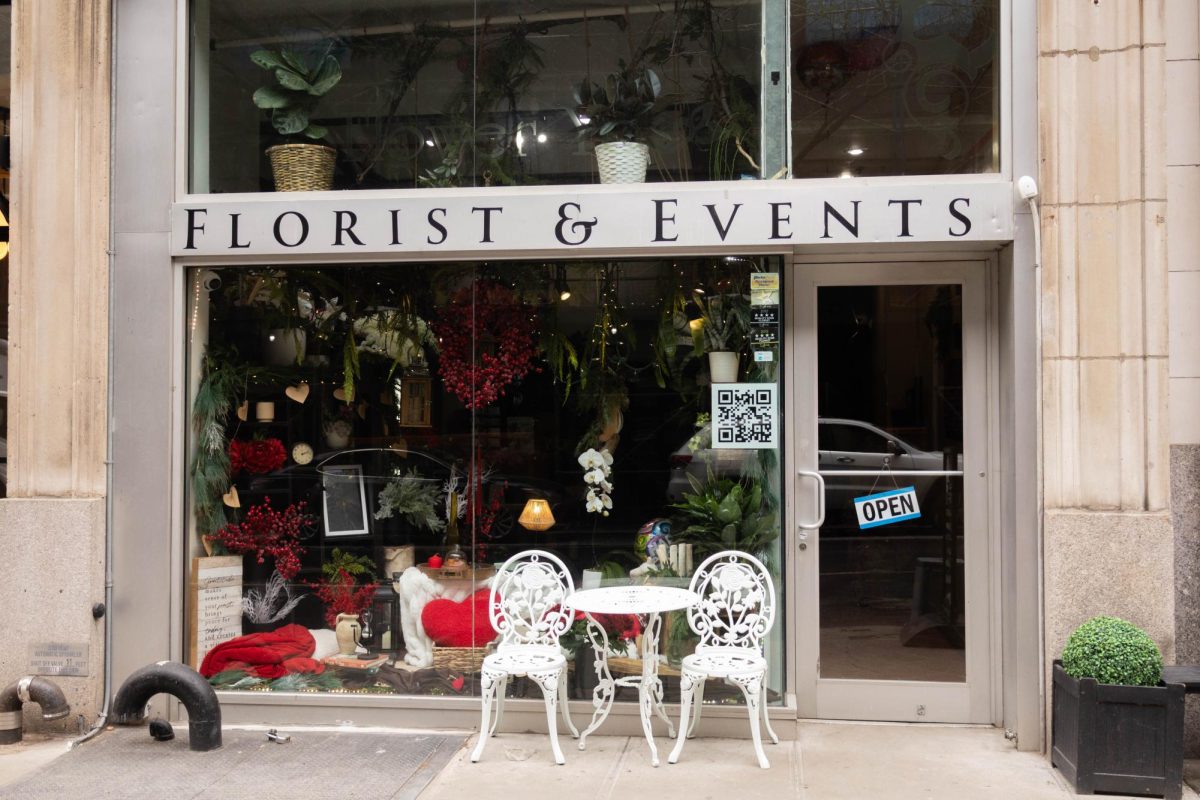
“We pretty much order everything like flowers and vases, at the beginning of January,” Anna Filipova, one of florist Flower You’s owners, told The Ticker. Flower You, located by Baruch College at 122 E. 25th St, spent months preparing and recruiting new workers to help during its busiest season.
“Mostly before Valentine’s, the preparation is getting new people that are going to help us during the holiday and training them,” Filipova said. “This is the most crucial part.”
Valentine’s Day preorders are usually five times what the florist company makes in a normal week, and Filipova observed an increase of foot traffic at Flower You’s physical location.
With the increase in customers, many of whom order in advance, Flower You still tries to accommodate many last-minute shoppers.
“There is definitely an increase in the orders,” Filipova said. “Every year we are having more and more walk-in customers. We are trying to accommodate as many as we can.”
To keep up with orders, Filipova and her team work long hours to meet demand.
“It’s tiresome but there are a lot of new people, a lot of young people, so it’s also fun,” she said. “We’re all working together doing something. When people come to get their flowers they’re always happy so it’s nice to see.”
Filipova explained that Flower You prides itself on being a well-known local business in the area for 15 years, through which the employees have learned what residents want for the holiday.
“We try to give them quality flowers and flowers that they love,” Filipova said. “Most of the people are coming to get peonies,
and this year we are one of the few florists that have them in stock. We are trying to bring our customers what they’re looking for. Peonies, ranunculus, the most unique flowers that they cannot find anywhere else, we try to have them here for them.”
The most popular flowers this Valentine’s year were roses, ranunculus, peonies and hydrangeas, according to Filipova.
Filipova urged consumers to shop local as a way to get their money’s worth.
“Try to order more locally from your local florists, not through the florists networks,” she said. “That way, all the money that you’re spending is going towards what you’re buying, it’s not going to someone to find the florist for you.”
After this Valentine’s Day season, Filipova and her team are starting preparations for the next big holiday, Mother’s Day.