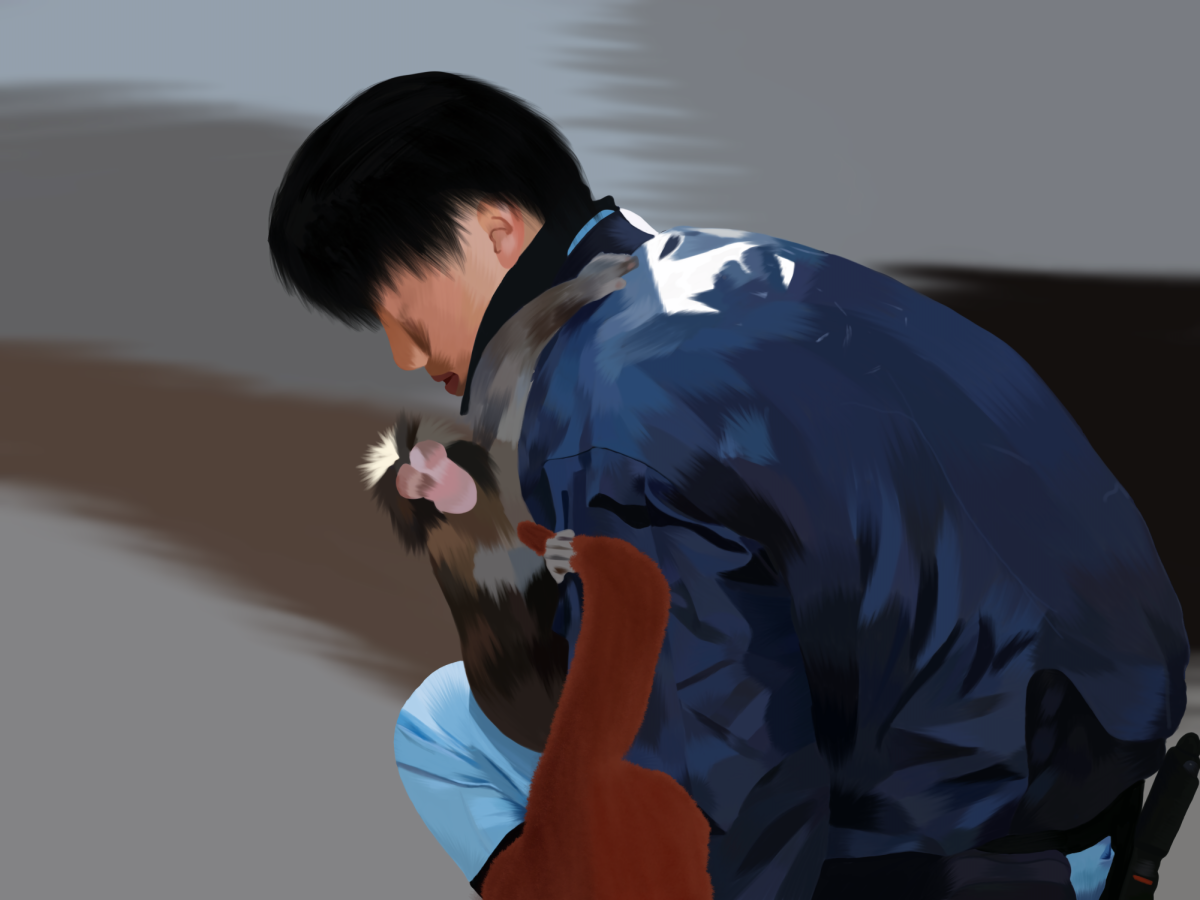

The Trump administration is facing criticism for once again repurposing pop culture to promote immigration enforcement. This week, the White House used a song by Sabrina Carpenter in a social media post depicting U.S. Immigration and Customs Enforcement arrests.
The video featured Carpenter’s song “Juno” playing over footage of U.S. Immigration and Customs Enforcement raids and quoted the lyric, “Have you ever tried this one? Bye-bye.” The post glorified deportations through pop lyrics and circulated widely on X before being deleted.
Carpenter responded directly online, calling the video “evil and disgusting.” She added, “Do not ever involve me or my music to benefit your inhumane agenda.”
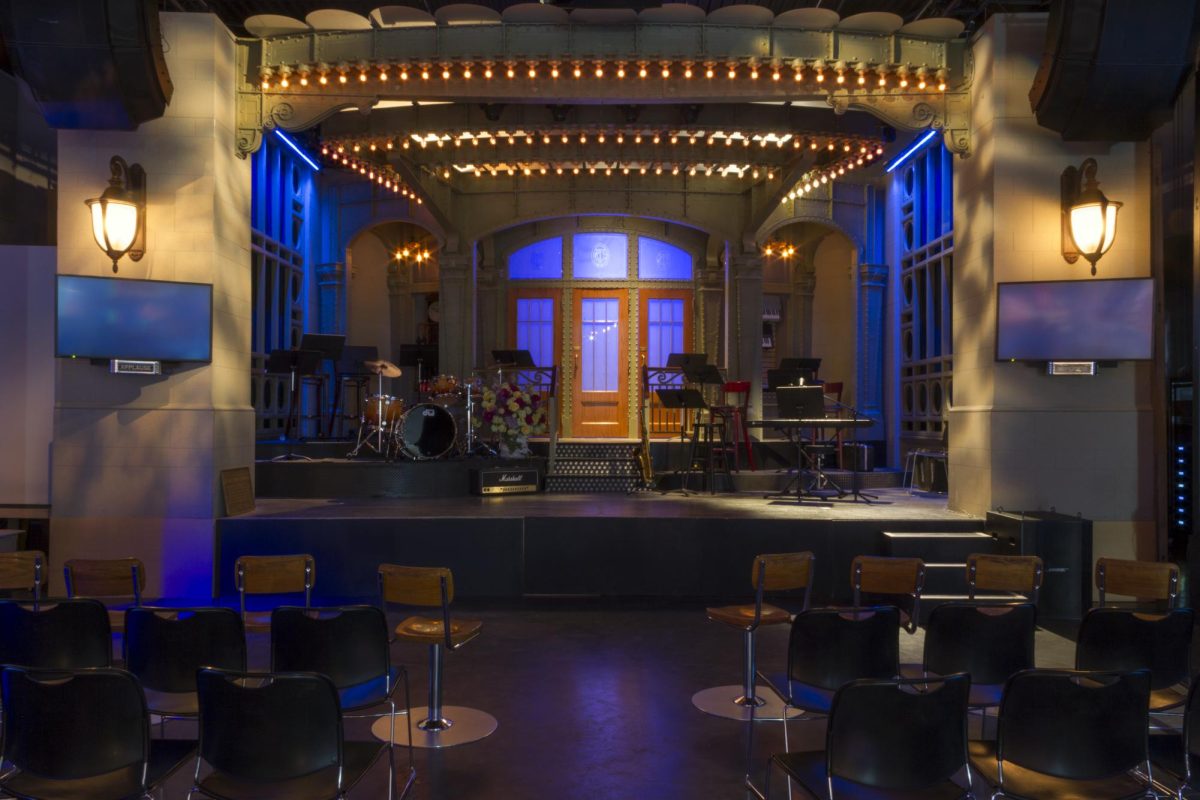
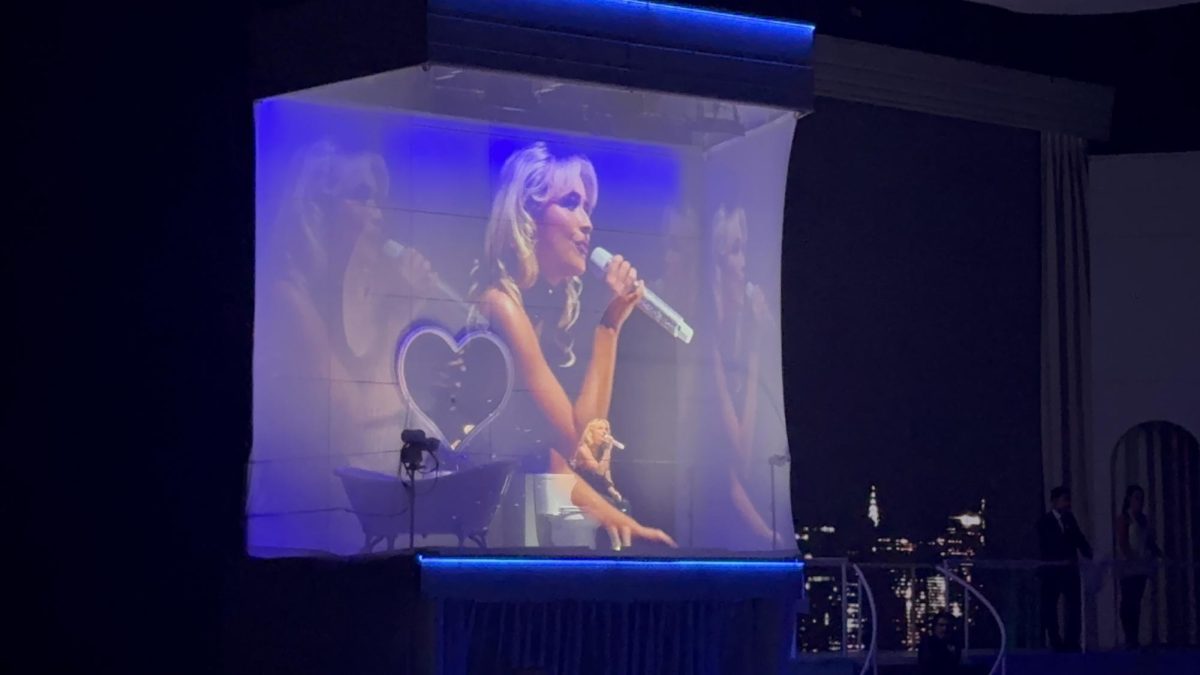
Rather than deescalating, the administration followed up with a second Carpenter-themed post. The new clip used footage from Carpenter’s October appearance on Saturday Night Live, where she joked to cast member Marcello Hernández about needing to “arrest someone for being too hot.” In the White House version, the word “hot” was replaced with “illegal” before cutting to another montage of ICE arrests. The caption read, “PSA: If you’re a criminal illegal, you WILL be arrested & deported.”
After Carpenter’s original objection, White House Deputy Press Secretary Abigail Jackson issued a rebuttal referencing Carpenter’s album “Short n’ Sweet.” Jackson stated that the administration would not apologize for deporting “dangerous criminal illegal murderers, rapists, and pedophiles,” adding that anyone who defended such individuals “must be stupid, or is it slow?” This was yet another reference to a song in Carpenter’s latest album “Man’s Best Friend,” where she tries to define the behavior of a man within their relationship.
Carpenter has not directly engaged in overt political messaging in the past, aside from her recent “Tears” performance at the VMAs where she called for the protection of transgender rights, marking the online clash as a rare and highly visible political moment tied directly to her work.
The dispute followed a similar incident involving Olivia Rodrigo last month. Rodrigo condemned the Department of Homeland Security for using her song “All-American Bitch” in a video encouraging undocumented immigrants to self-deport, calling the post “racist, hateful propaganda.”
In October, Kenny Loggins objected to the use of his song “Danger Zone” in an artificial intelligence-generated video shared on Trump’s Truth Social account. Loggins stated that the usage was unauthorized and requested immediate removal, though the post remains public.
Visual artists have also objected to similar uses of their work. The family of Norman Rockwell condemned the use of his paintings in DHS posts promoting anti-immigrant messaging. The estate of Thomas Kinkade likewise requested the removal of a DHS post featuring his painting “Morning Pledge.” The Kinkade Family Foundation stated that it was “deeply troubled” by the image’s use to promote political division.
These incidents reveal an expanding effort by the Trump administration to blend pop culture with immigration enforcement messaging. The growing pushback signals rising discomfort within the arts community over the political repurposing of creative work.
Carpenter’s situation stands out for the speed with which entertainment language transformed into a vehicle for federal policy messaging. The conflict highlights how cultural production and political communication remain increasingly entangled in the digital age.