
Recent research indicates that children struggle with math due to their difficulty in learning from mistakes.
In a study conducted at Stanford University, children with math disabilities were found to work differently from children who are proficient in the subject.
According to the Stanford Report, when asked to differentiate between two amounts, with one amount being larger, students with math learning disabilities performed just as well as those whose strong suit is mathematics. However, the same could not be said about their ability to work with “number symbols.”
Rather than focusing on whether students got the correct answers, the research team mainly assessed how each student tackled the problems and responded to errors.
Hyesang Chang, co-author of the study, claimed that students who struggle with math have difficulties in trying alternative methods to reach the correct answer.
“These impairments may not necessarily be specific to numerical skills, and could apply to broader cognitive abilities that involve monitoring task performance and adapting behavior as children learn,” Chang said.
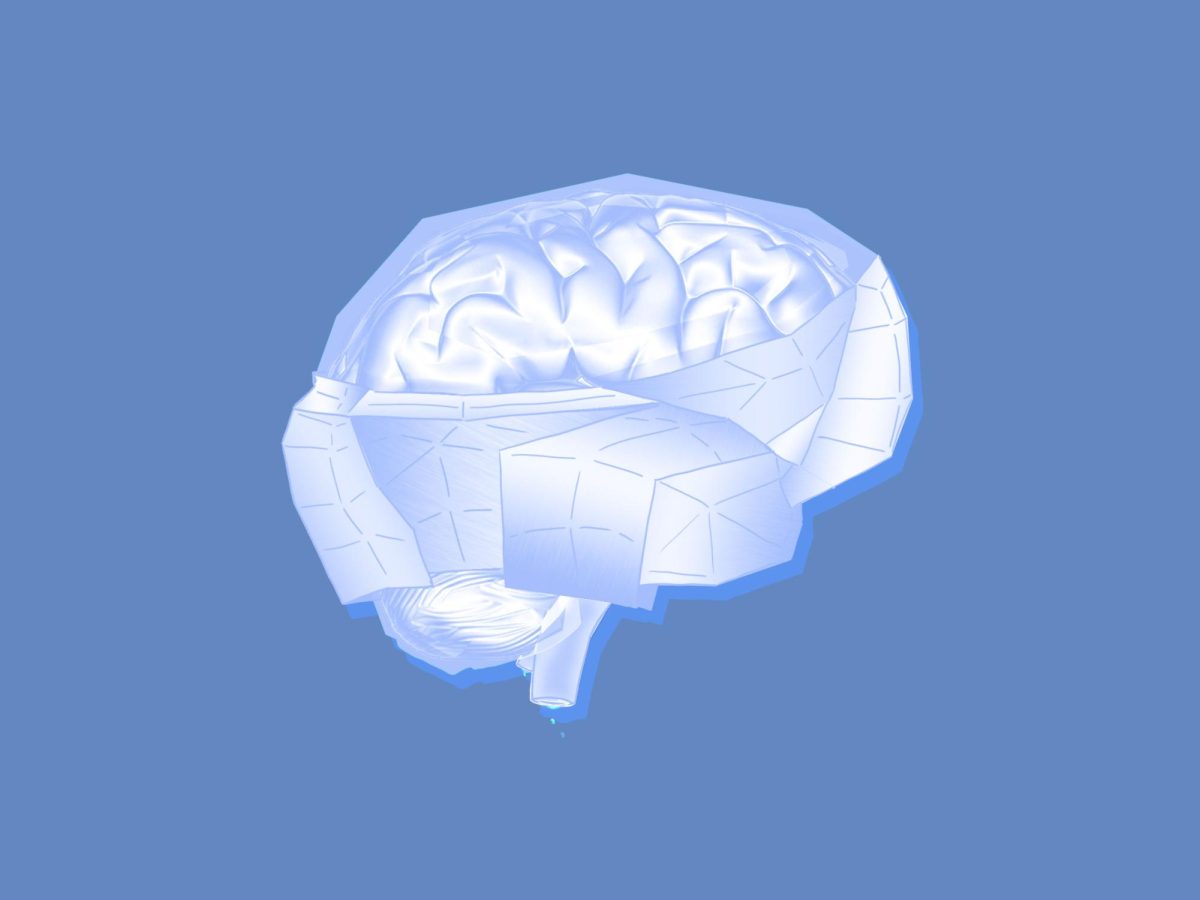
To support this finding, Stanford University researchers used brain scans to reveal the differences between children with math disabilities and those with average math skills.
The imaging revealed that there was low brain activity in regions that manage the ability to detect errors and adapt to new strategies.
This connection could potentially serve as a tool to determine a student’s mathematical level.
According to the Journal of Neuroscience, the problem surrounding some students’ inability to adopt new solutions and recognize errors isn’t just limited to math.
The researchers argue that students with deficient mathematical abilities need help with finding alternative solutions to problem solving, rather than assistance with understanding numerical concepts.
Vinod Menon, a neurology professor at Stanford Medicine, implored teachers to revisit their strategies while helping these students to understand mathematical concepts.
“Our findings suggest that interventions should target not only basic number sense, but also metacognitive processes, like performance monitoring how do you adjust when you notice an error?” Menon said.