
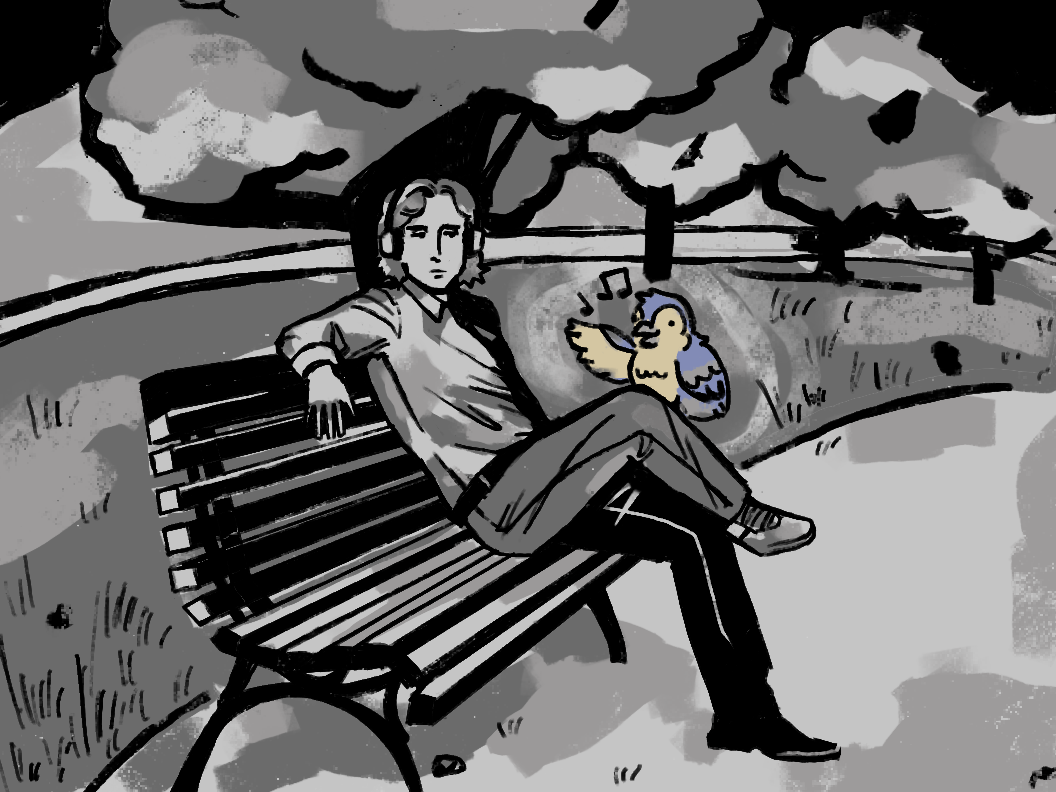
In a recent study by Cell Press, scientists examined the different ways individuals auditorily process music and discovered that some individuals derive no pleasure from music at all.
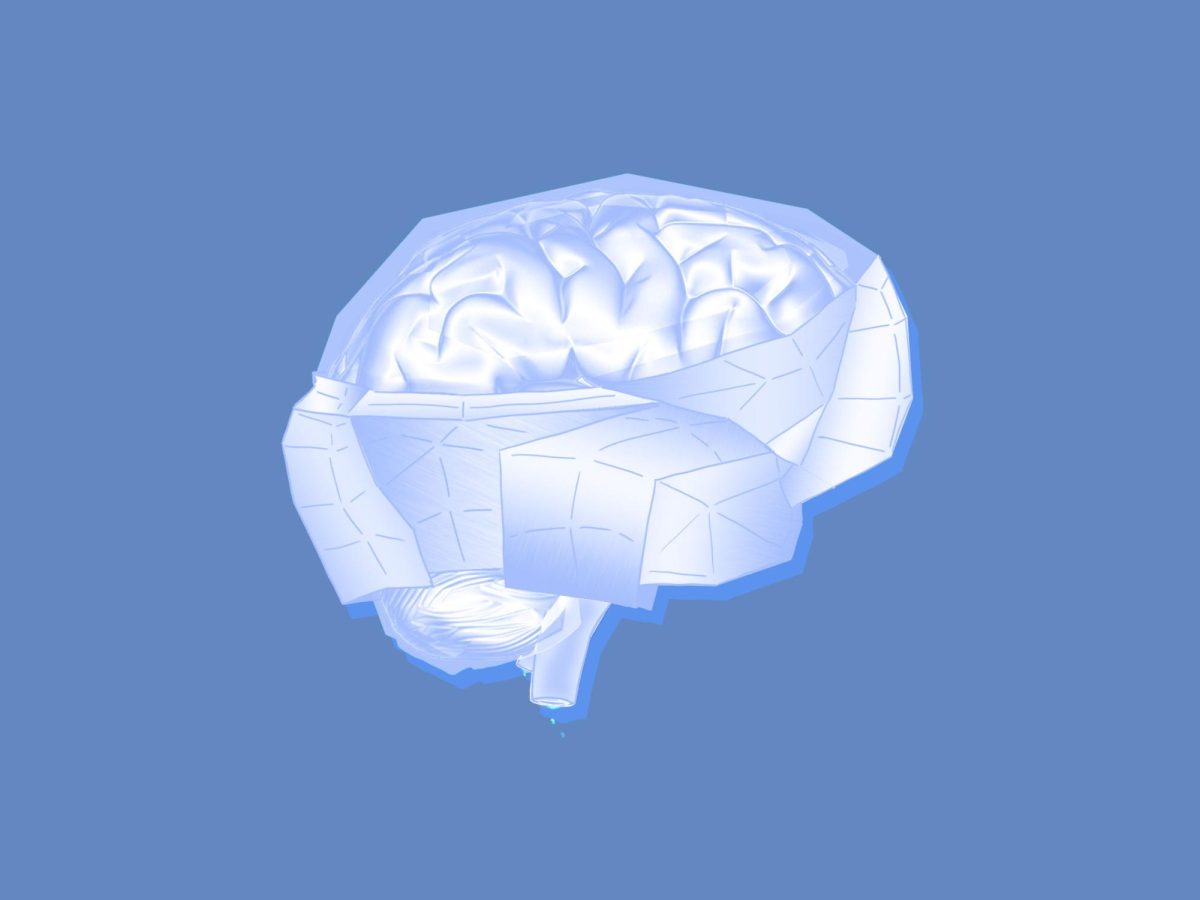
Beyond the passage of sound waves from the ear canal to the ear drum, music has a significant impact on the brain’s reward circuit. When stimulated with traditional rewarding stimuli like food and sexual intercourse, neurotransmitter systems centered on frontostriatal regions of the brain activate.
That neural circuit is responsible for the “liking” and “wanting” feelings humans commonly experience in response to rewarding stimuli.
In some individuals, the rewards circuit in the brains do not respond to music stimuli, a neurological phenomenon known as musical anhedonia. It can occur in the brains of physically healthy individuals and is not dependent on hearing quality.
In addition, the condition goes beyond individuals simply having unique music preferences because participants selected their favorite pieces to be used in the study. Neuroscientist Josep Marco-Pallarés at the University of Barcelona described it as a “disconnectivity between the reward circuit and the auditory network — not by the functioning of their reward circuit, per se.”
This is an important distinction because earlier research on the human reward processing often assumed that pleasure deficiencies were a one-size-fits-all condition. However, specific pleasure deficiencies like those relating to music can exist independently.
Researchers used the Barcelona Music Reward Questionnaire as an advanced method for assessing musical anhedonia. The questionnaire measured how rewarding an individual finds music to be across five different dimensions: mood regulation, social reward, sensorimotor, music seeking and emotion evocation.
The results of the BMRQ revealed connections between the five dimensions and other brain processes like memory retention, further exemplifying how individuals can have vast variability in their reward circuit responses.
Researchers supported their conclusions using brain imaging. MRI scans showed “reduced activation in the NAcc in response to pleasant music.” This further exemplifies how the type of music is not a contributing factor to the lack of pleasure response in individuals with musical anhedonia.
Functional MRI scans further that although listening to music reduced reward circuit activity in some individuals, it didn’t diminish their reward processing ability to other stimuli like winning money, meaning musical anhedonia can exist exclusively. Researchers have yet to find one conclusive reason why some individuals develop musical anhedonia while others do not.
Still, pleasure in the reward circuit exists along a spectrum and individuals can experience a range of pleasure responses to stimuli, ranging from anhedonia to euphoria.
Research on music enjoyment among twins revealed that “genetic effects contribute up to 54% of the variability in music reward sensitivity,” suggesting genetics may be a contributing factor in music reward response.