
Researchers from Michigan State University rejected long held claims from scientists that India’s grassland and savannahs have been destroyed.
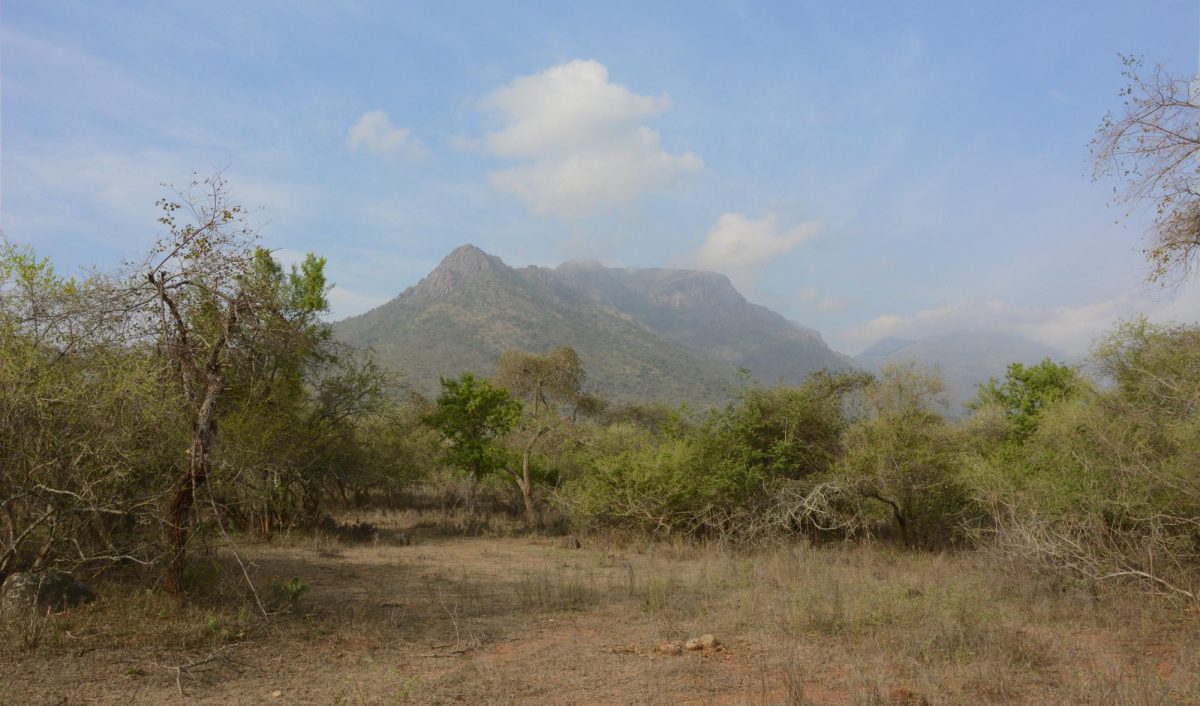
Vivid descriptions of thorny trees, open grasslands and grazing areas from Indian poems, folk songs and religious texts in the 13th century suggest that today’s savannahs in western India are no different than flora of the past.
According to a study published by the British Ecological Society Journal People and Nature, there have been references to 44 wild life plant species in India’s Ancient text.
Two-thirds of these species’ descriptions resemble the elements of modern-day savannah ecosystems. Many of these texts suggest that these grasslands have their own significance.
For instance, a text written in Marathi, a language spoken by much of western and central India, portrays acacia trees as symbolizing the cycle of death and reincarnation.
MSU’s research team discovered that information about the savannahs documented in Marathi literature was not accessible in modern databases.
Ashish Nerlekar, a postdoctoral fellow at MSU’s Ecology, Evolution and Behavior Program, recognized the importance of the acacia tree on the region’s residents. “It’s a pretty iconic tree in the region, and it was common at that time also,” Nerlekar said.
The research conducted by MSU discovered that a specific example of the descriptive documentation of 16th century Indian grasslands was in the epic poem Adi Parva.
“The text describes cowherders drawn to the ‘empty’ and ‘thorny’ Nira River valley because of its rich grass,” ScienceDaily reported.
Nerlekar further emphasized the gap between the past and the present isn’t that wide, pointing out that not much has changed from “hundreds of years” ago.
“The take-home for me is how little things have changed,” Nerlekar said. “It’s fascinating that something hundreds of years old could so closely match what is around today and contrast so much with what people romanticize the past landscape to be.”
However, prior to MSU’s research, the savannah has been mischaracterized as a “wasteland” for many years due to the misconception that human activities caused the thick grassy quality of the grasslands to decline.
As a result, campaigns propagating tree planting or reforestation to store carbon dioxide and propel the climate change movement were promoted.
However, researchers with new scientific data stress the importance of not tampering with the natural state of the savannas because 20% of the world’s population depend on these grasslands for their livelihoods.
Indigenous knowledge provided glimpses of India’s savannas’ past, helping climate change advocates be better equipped to protect the existing ecosystem.
“These centuries-old stories provide us a rare glimpse into the past, and that the past was a savanna past, not a forested past,” Nerlekar said.