
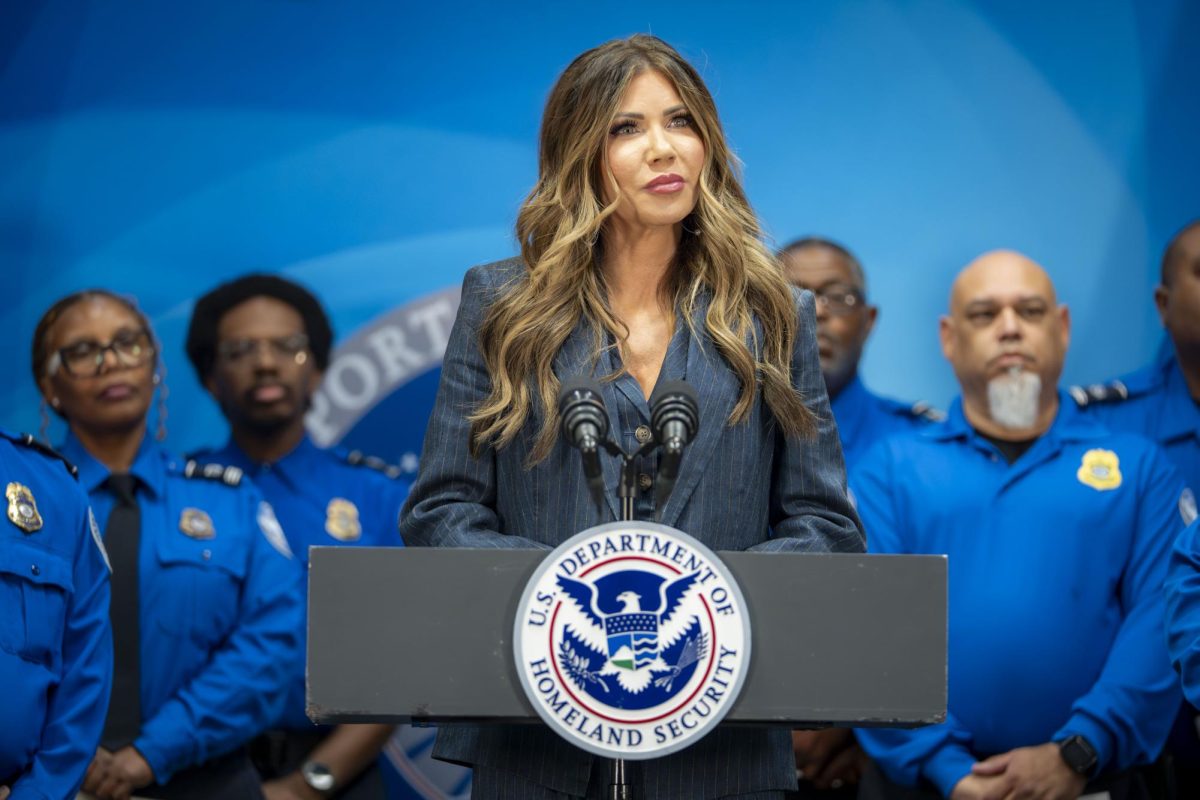
The Department of Homeland Security shut down on Feb. 14 as congressional representatives disagreed on the terms of the agency’s funding. The debate and subsequent shutdown followed the shooting of two protestors in January by U.S. Immigration and Customs Enforcement officers.
While a broader government spending bill was authorized by Congress in January, President Donald Trump agreed to the Democrats’ wish that left the DHS out of it, extending its deadline by two weeks.
As of Feb. 14, those two weeks are now over, and as such, the DHS has shut down.
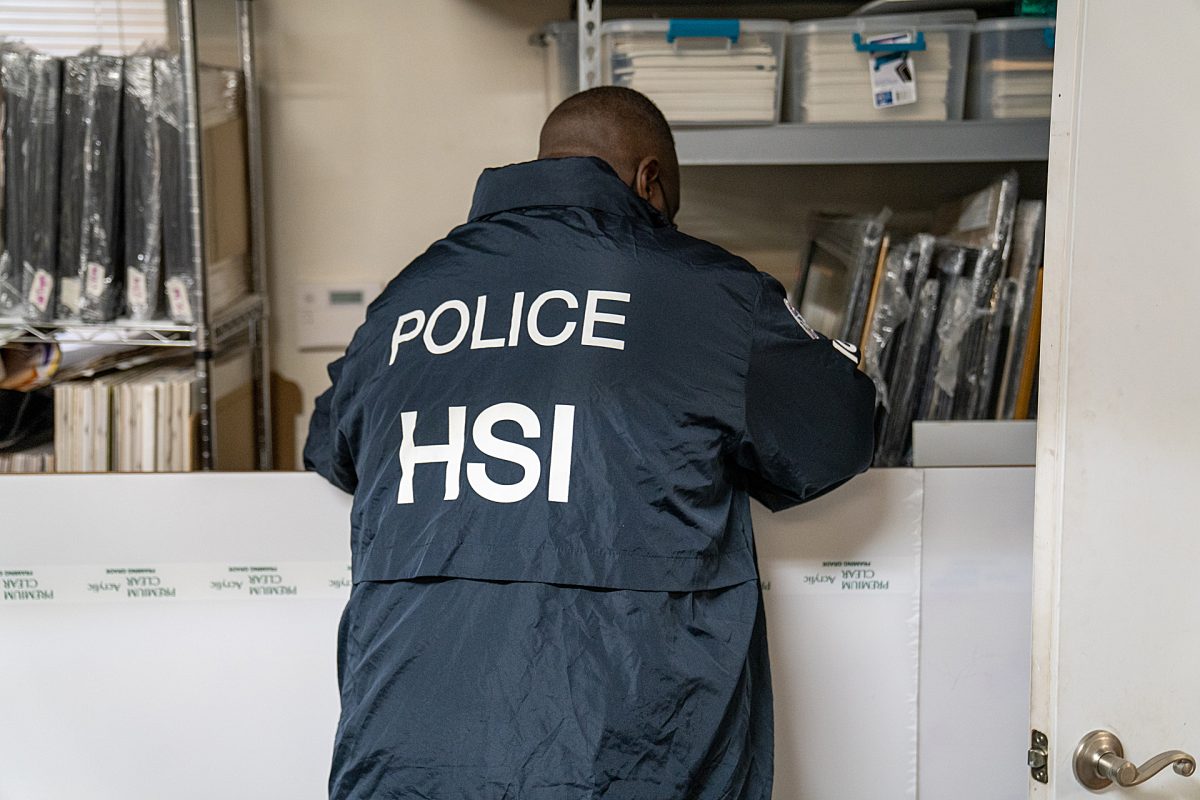
Democratic leadership has stated that they will “draw a line in the sand” regarding ICE specifically, after January’s fatal shooting of Alex Pretti and Renée Good.
Their demands include mandatory body cameras on ICE officers, banning officers from wearing face masks and stricter judicial rules regarding the agency’s collection of warrants.
Senate Democratic Leader Chuck Schumer’s demands are “common sense solutions that protect constitutional rights and ensure responsible law enforcement.”
While Republicans seem to agree on the use of body cameras, they are reluctant to agree to the proposed masking rules.
House Speaker Mike Johnson has floated the risk of intimidation toward officers as Republicans’ reason for the disagreement: “Unlike your local law enforcement in your hometown, ICE agents are being doxed and targeted. We have evidence of that,” and that if identifiable, “they will obviously be targeted.”
At the same time, some Republicans are also attempting to get their own provisions onto the spending bill.
This includes provisions requiring citizenship to be able to vote, a requirement Republicans have floated as a crackdown on illegal immigration.
As Congress processes the DHS bill, the department itself will remain shut down. This follows last fall’s record-setting 43-day shutdown but will be limited to the DHS.
While the department’s immigration enforcement will likely be unaffected due to its new funding approved last year, employees will work without pay.
Employees are unlikely to be put on forced leave — last fall, only 5% of the DHS was furloughed, as the rest were considered “essential” workers, who are required to work during shutdowns.
However, as the TSA falls under the arm of the DHS, the shutdown may at least partially affect airport traffic as employees are put under strain without pay.
The Coast Guard and FEMA are also affected, and while they both have enough funding to last through a shutdown, any disaster during the shutdown could strain their finances.
An end to the shutdown is not clearly in sight — Democratic and Republican leadership still disagree, with Senate Majority Leader John Thune stating that an agreement in the near future may be “an impossibility,” as Democratic leadership continues to demand to “rein in ICE.”