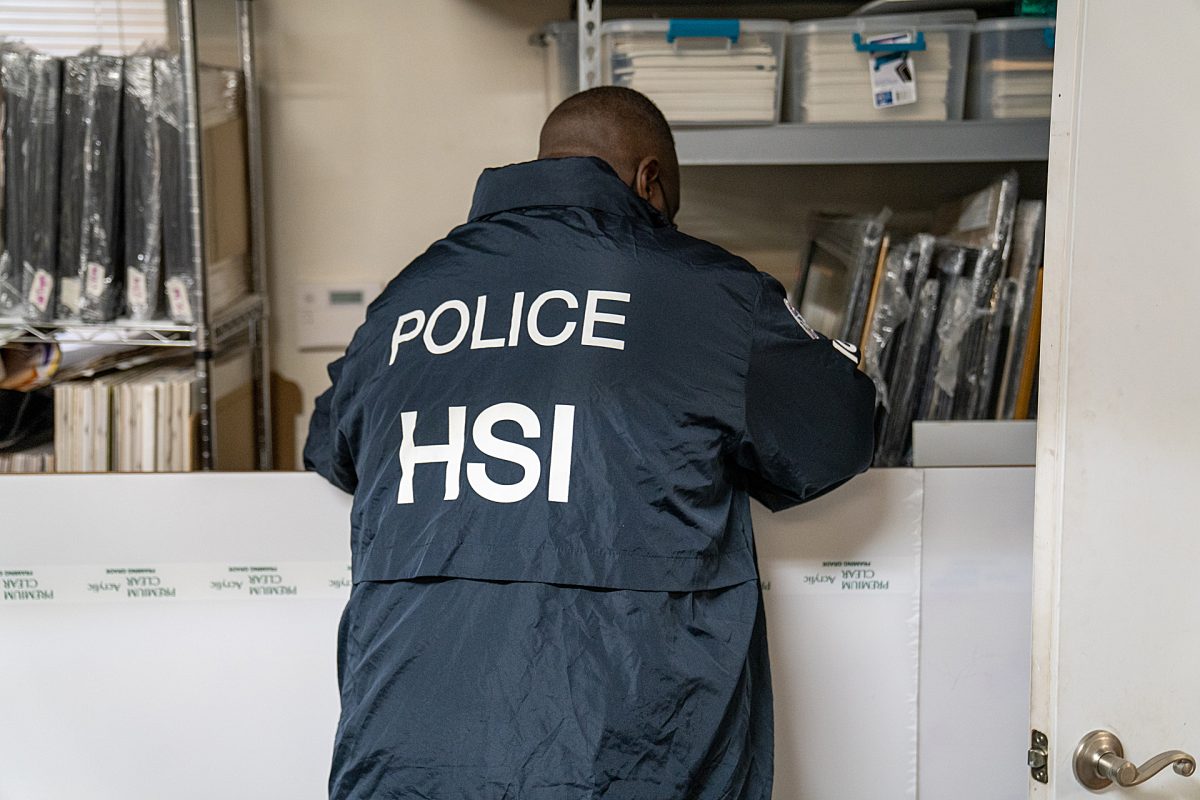


A federal judge declined to temporarily block a large-scale immigration enforcement campaign in Minnesota on Jan. 31, allowing the Trump administration’s deployment of thousands of federal agents to continue while a constitutional challenge proceeds in court.
U.S. District Judge Katherine Menendez of Minnesota denied a preliminary injunction sought by the Minnesota attorney general and the mayors of Minneapolis and St. Paul, who argue that the operation, known as Operation Metro Surge, violates the Constitution’s 10th Amendment by unlawfully pressuring state and local governments to alter their immigration policies.
The plaintiffs contend that the federal government’s decision to send about 3,000 immigration agents into the Twin Cities amounts to an impermissible intrusion on state sovereignty and an attempt to coerce cooperation with civil immigration enforcement.
Federal lawyers countered that the deployment falls squarely within executive authority and is intended to enforce federal immigration law.
In a written order, Menendez said the state and city governments had not met their burden of showing a likelihood of success on the merits, a key requirement for emergency injunctive relief.
She wrote that the record contained competing evidence regarding the federal government’s motives and that courts must weigh the government’s stated interest in enforcing federal statutes.
“The interference to be drawn regarding the allegedly coercive purpose of Operation Metro Surge are not as one-sided as plaintiffs suggest,” Menendez wrote, adding that an order halting the operation would impose significant harm on the federal government.
Menendez also pointed to a recent ruling by the U.S. Court of Appeals for Eighth Circuit that blocked an earlier injunction she had issued restricting immigration officers’ conduct toward protesters. If those narrower limits were deemed overly broad, she wrote, then stopping the entire enforcement effort would present even greater legal concerns.
Despite denying the request, the judge expressed concern over the effects of the operation on Minnesota communities, writing that the state had presented evidence of racial profiling, excessive force and widespread disruption to daily life.
She cited allegations of declining school attendance, increased municipal costs and economic harm to local businesses.
Officials said the lawsuit was filed after several shootings involving federal agents in Minneapolis this month, including the fatal shootings of two U.S. citizens, Renée Good and Alex Pretti, during separate encounters.
Protests have continued in the Twin Cities since the deaths. Reaction to the ruling split sharply along political lines. Attorney General Pam Bondi praised the decision as a legal victory for the Justice Department, while Homeland Security Secretary Kristi Noem said her agency would continue the operation and seek cooperation from state and local officials.
Minnesota leaders criticized the outcome and said the case would move forward.
“This decision doesn’t change what people here have lived through,” Minneapolis Mayor Jacob Frey said in a statement.
Minnesota Attorney General Keith Ellison said his office remains committed to challenging the deployment in court.
The ruling leaves Operation Metro Surge in place for now, with further proceedings expected as the litigation continues in federal court.