

Scientists from New England Biolabs and Yale University have developed a new method to fight bacterial infections that are highly resistant to antibiotics.
They used bacteriophages, which are viruses that specifically target bacteria.
Although these viruses have been used for more than a century to combat bacterial infections, researchers have recently made a breakthrough that enables quicker and safer synthesis of infection-controlling bacteriophages.
Bacteriophages differ from antibiotic drugs in their function and specificity.
Bacteriophages typically target just one type of bacteria, whereas antibiotics frequently target a wider range.
However, unlike bacteriophages, antibiotics are unable to adapt to the resistances of bacteria.
Traditionally, researchers focus on naturally occurring bacteriophages because “traditional methods for modifying phages are slow, complex, and difficult to scale.” This new model, based on NEB’s High-Complexity Golden Gate Assembly, allows for the assembly of viruses outside of cells using short, synthetic DNA fragments.
In contrast to isolated viruses, the researchers used 28 synthetic DNA fragments to create a bacteriophage for Pseudomonas aeruginosa, a bacterium known for causing infections in the blood, pneumonia and urinary tract infections amongst other ailments.
P. aeruginosa is known to be highly resistant to nearly all antibiotics, making it a threat in health care setting.
This new approach reduced the risks associated with propagating bacteriophages in host bacteria that are human pathogens. It further avoided the intensive labor needed to screen and edit genetic data inside host cells. This new system also reduced the risk of errors, simplified DNA preparation and reduced toxicity to host cells.
It expands the range of bacteriophages that researchers can assemble and study to combat highly resistant bacteria.
Antibiotic resistance has become a primary public health concern due to the overuse of antibiotics worldwide in medicine, agriculture and livestock.
According to the National Library of Medicine, this overuse can cause “severe infections, complications, longer hospital stays and increased mortality,” as well as increased resistance from bacteria populations.
The World Health Organization also stated that antimicrobial resistance was “1.27 million global deaths in 2019 and contributed to 4.95 million deaths.”
Further studies into synthetic bacteriophages can reverse this trend of resistant bacteria, helping to combat antimicrobial resistance when antibiotics fail and lose effectiveness.
The use of lab-built viruses will give doctors and patients other options to consider when dealing with infections that cannot be fought using traditional antibiotics.
The main concern with bacteriophages is its specificity, which requires testing to ensure that the right treatment is being prescribed, unlike antibacterial drugs that can target multiple types of infections.
This technology is revolutionary in the field of phage therapy and will lead to new methods to combat antibiotic-resistant bacteria, but further preclinical testing is needed before this technology can be used in combating infections in patients.
Categories:
Scientists build viruses to fight bacterial infections that are antibiotic resistant
February 9, 2026
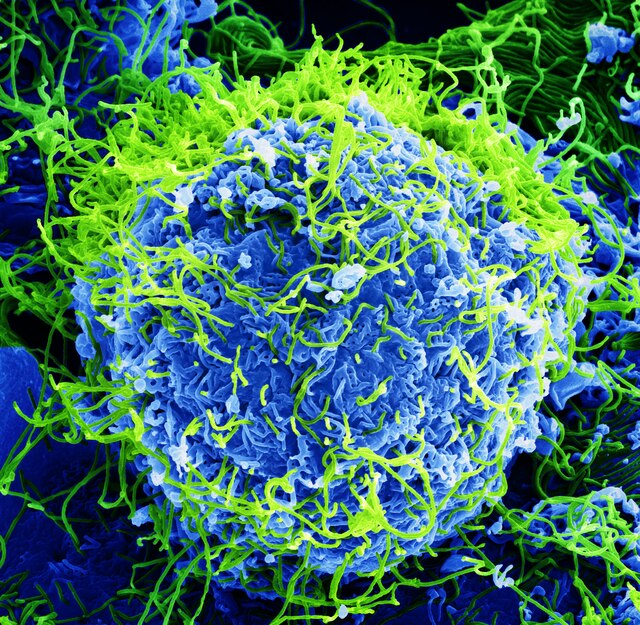
BernbaumJG | Wikimedia Commons
More to Discover





About the Contributor

Jumaane Millette, Photography Editor
Jumaane Millette is the Photography Editor for The Ticker.