
2016, the year coined to be the best one of the 2010’s, is officially 10 years ago and people all over social media are hoping to travel back in time.
Technology is advancing, but some things don’t change, like the feeling of reading a good magazine. While print is still prevalent in this generation, will there be more or less demand as the world continues to move digitally?
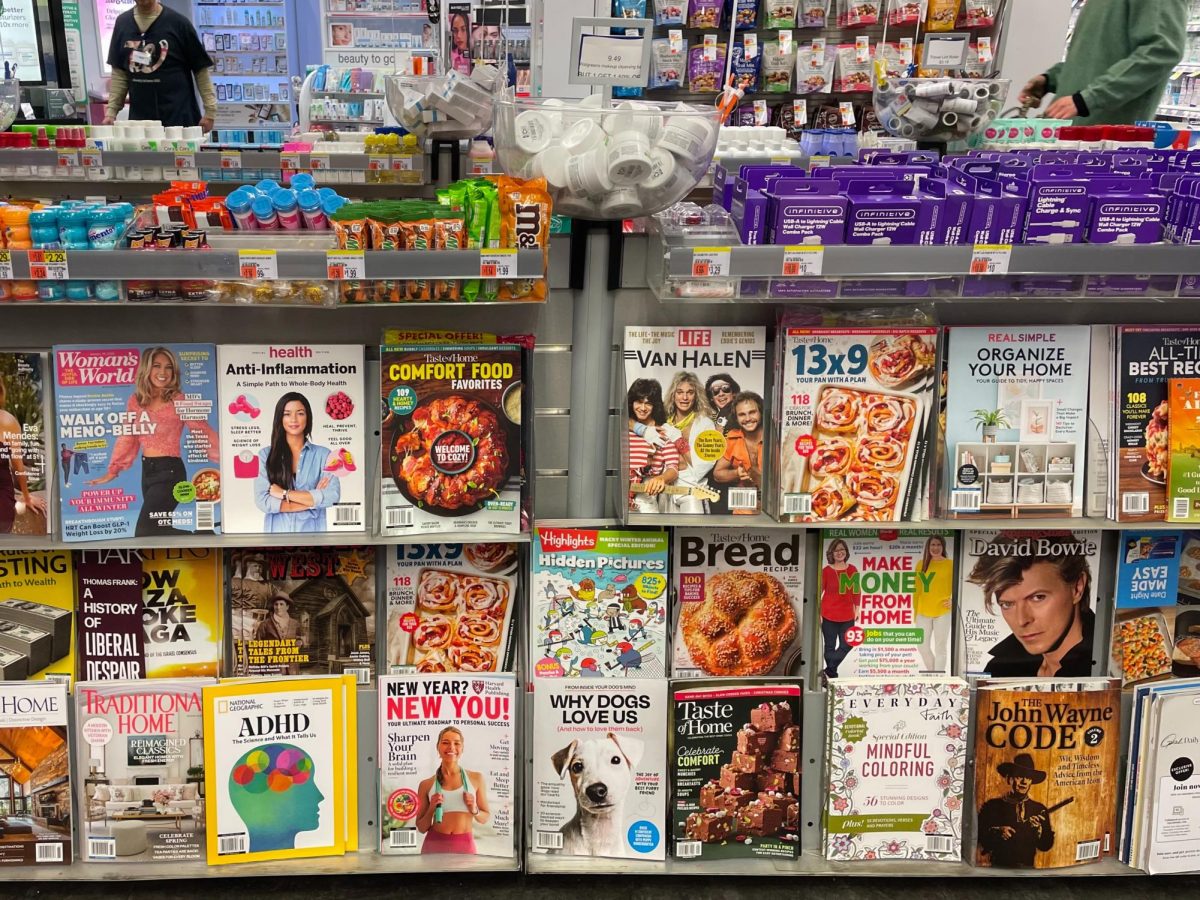
Magazines go back as far as the 17th century, when periodicals were published as forms of entertainment for the philosophical minds; reviewing books, ideas and such gained some real traction. Now, they have become what we know today, the most popular being Vogue, The New Yorker and People. These cultural staples allow people to indulge in their niche interests.
Back then, alongside newspapers, magazines were a source of information for the public. Who was dating who? Which stocks were thriving? What bag to wear with what shoes? It was all packed into specifically curated pages with fun pictures for reference.
Although these magazines are still being printed, the accessibility to these magazines has become as simple as unlocking a phone and typing their name in the search bar. Has turning the page lost its fun?
Upon the question of print over digital, “I would rather print because of the nostalgia,” Baruch College senior Niia Fadell told The Ticker. “I think there’s a lot more authenticity associated with print magazines.” She expressed how artificial intelligence has made it harder to decipher what is real anymore, while print provides that reassurance for her. Nowadays, it’s easy to question the future of anything tangible.
Avid readers like Sasha Bannister, a fashion stylist, feel there is a future for print despite AI dominating the picture. “I’m aware of what AI is and how quickly it’s reshaping culture… but I don’t think that makes print obsolete,” she said. As a writer hobbyist, Bannister recalls how she gained her understanding of words from her grandparents, like how they often read newspapers, had in-depth debates and solved crossword puzzles.
Dawn Delikat, executive director of the nonprofit organization Pen and Brush, also reminisced about magazines during the pre-internet era. “The TV Guide,” she said, “I remember being genuinely excited to flip through the pages and read the few interviews about new shows as if I were stepping into another world.” Something so simple piqued her interest, sparking a passionate, lifelong love for art, culture and storytelling.
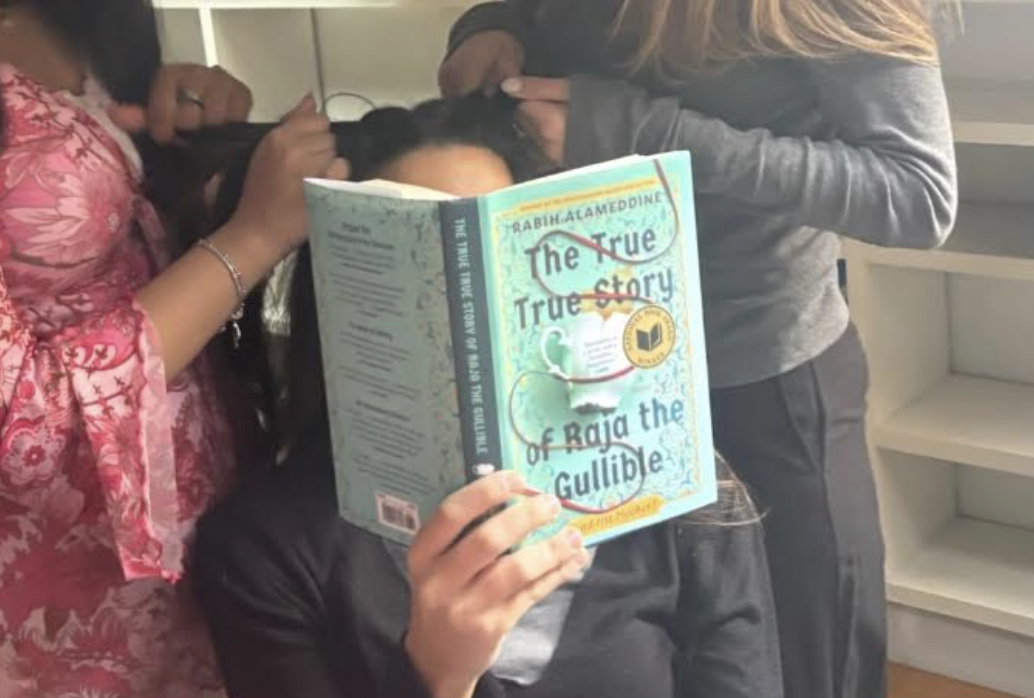
“I like the intimacy of having to sit down and turn the pages,” Baruch senior Nicolas Fernandez told The Ticker. “The feel of paper as I switch from page to page isn’t the same feeling I get from a swipe.” To some, print magazines serve readers more than just entertainment. It’s intimate and personal because people can see themselves in the photos and escape into a world only they know.
There are mixed feelings about the world of magazines and whether print or digital matters more to the individual.
Digital magazines provide easy access and speed at users’ fingertips, while print can help with slowing down and sitting with the content. No matter the engagement, magazines offer a space tailored just for their reader.