
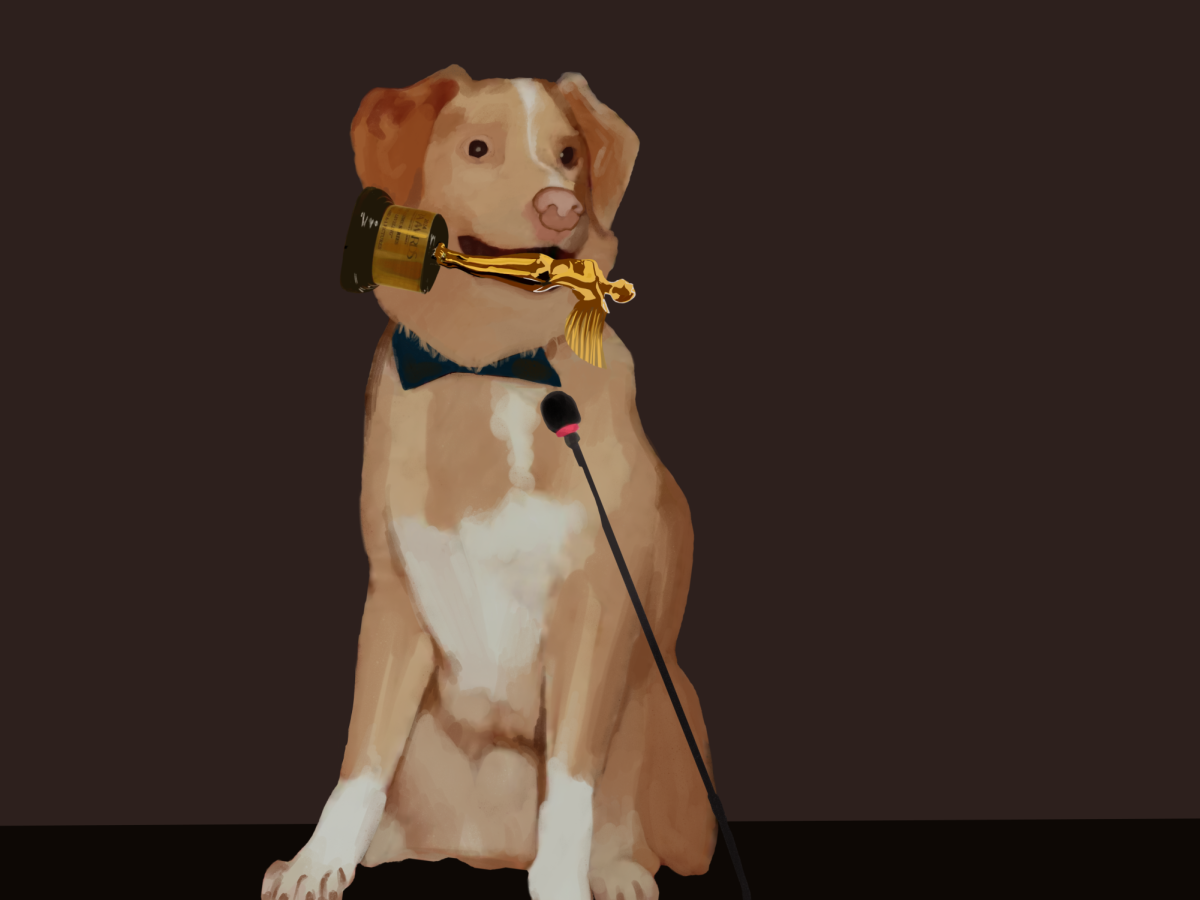
History was made at this year’s Astra Awards when a dog not only earned a nomination, but also walked away with the trophy, leaving audiences and industry professionals stunned.
The Astra Awards are annual film and television awards presented by the Hollywood Creative Alliance. They honor excellence in filmmaking and television across a wide range of categories and are considered competitive and difficult to win, with industry voters selecting nominees based on work released throughout the year.
At the ninth annual Astra Awards held in Los Angeles on Jan. 10, the award for Best Performance in a Horror or Thriller went to Indy, a Nova Scotia Duck Tolling Retriever. Traditionally, all of the categories recognize human actors in intense genre films, making Indy’s win historic as the first animal ever nominated and awarded in it.
Indy competed against well-known actors from major studio releases. The nominees included Ethan Hawke for “The Black Phone 2,” Alison Brie for “Together,” Sally Hawkins for “Bring Her Back,” Sophie Thatcher for “Companion” and Alfie Williams for “28 Years Later.” All of the other nominated actors are seasoned performers, which made Indy’s victory especially unexpected.
Indy starred in the 2025 feature film “Good Boy,” directed by his owner Ben Leonberg. In the film, the audience is forced into the perspective of a dog.
Indy played a version of himself living with his owner in a secluded rural home, where he begins to sense that something is deeply wrong. The story follows Indy as he reacts to unsettling changes in the environment and growing danger, with much of the tension shaped by his behavior and responses. The film took nearly three years to complete, with Leonberg and co-writer Kari Fischer patiently working with Indy throughout production to build his performance scene by scene.
Indy’s performance stood out because it was the result of careful training and repeated rehearsal.
Leonberg explained that Indy was trained to hit marks, respond to verbal and physical cues and repeat actions consistently across takes, allowing his movements to be edited alongside other shots to suggest reactions to off-screen movement, sound and implied threats.
Because the film was shot from a low physical level similar to a dog’s point of view, human characters were rarely shown from the shoulders up. As a result, Indy often performed directly with Leonberg and Fischer acting as body doubles rather than using traditional co-stars. This approach made Indy’s reactions feel rawer and more realistic, immersing audiences in the story and connecting them more to his character.
When it was time to accept the award, Leonberg appeared in a recorded speech with Indy beside him. He spoke about the long production process and joked that Indy had no idea he was competing against Oscar-nominated actors. Leonberg thanked viewers for taking the film seriously and embracing its unconventional lead.
Indy’s win quickly went viral online, with reactions ranging from praise to debate. Regardless, the moment marked a rare shift in how performance can be defined and recognized in film, cementing Indy’s place in awards history.