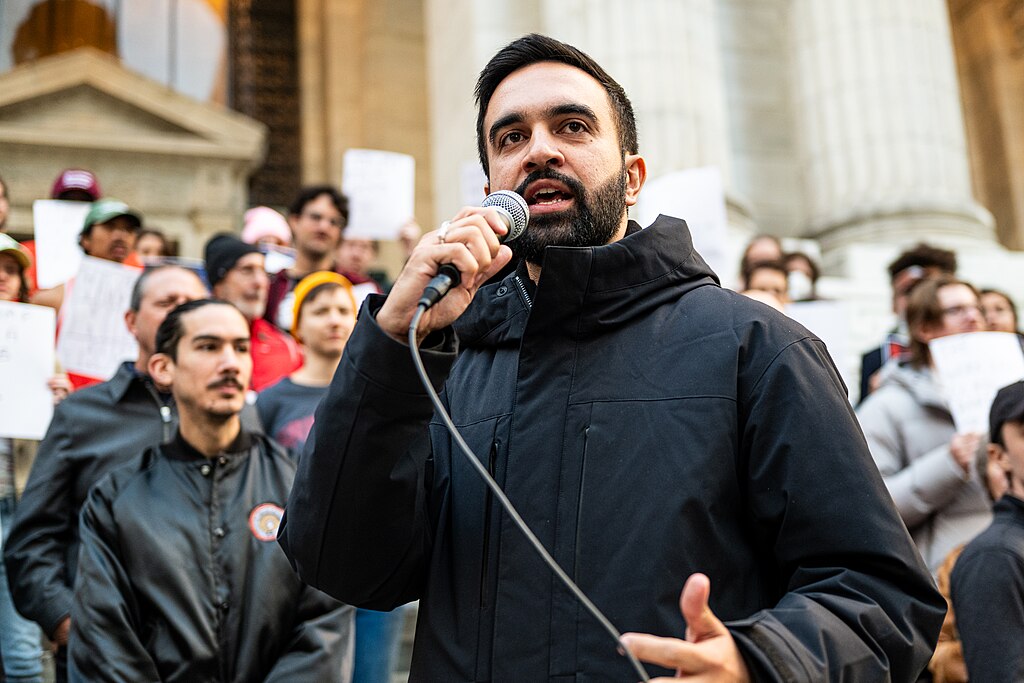

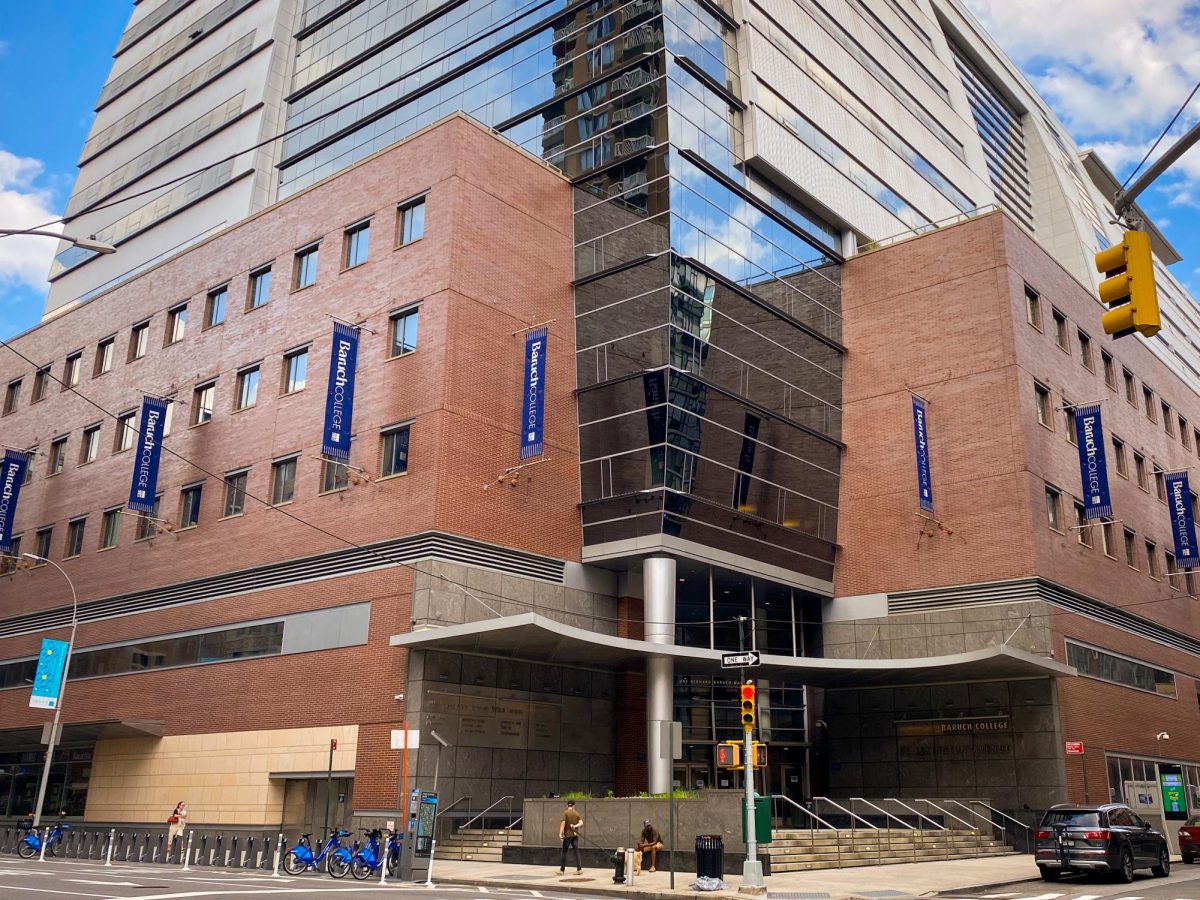
The Robert Zicklin Center for Corporate Integrity at Baruch College hosted a panel on Dec. 10, 2025 about whether public funds should be used to help pay for sports stadiums.
The panel was moderated by Professor Marc Edelman from Baruch’s law department and director of sports ethics at the Center for Corporate Integrity.
Panelists included freelance journalist Neil deMause and Sports Management Professor Mark Rosentraub from the University of Michigan.
“The question for me became, how does a city attract and keep a professional sports team, and how can that help the city grow?” Rosentraub said.
He discussed that sports leagues hold a lot of power because they limit how many teams there are.
As cities grow, the demand for teams grows too, but leagues do not add teams at the same rate.
For instance, New York had three baseball teams but now has only two, even though the population is much larger.
Sports tourism is also a factor when it comes to the economic growth of a city. Sports ETA reported that $114 billion was spent on sports tourism in 2024.
DeMause focused on the shift of stadium funding.
“Starting in the early ’80s, under [President Ronald] Reagan, you had cities suddenly being like, ‘Oh, we’re not getting any federal funding. What else can we do?’” he said.
While deMause is not against public funding for stadiums, he is against deals where cities spend a lot and receive very little back. He explained that public money should be used for projects that clearly benefit residents.
Rosentraub argued that some stadium deals can work when part of a bigger plan for the city.
He pointed to cities like Indianapolis, Cleveland and Detroit as examples where this approach helped.
“Every city now is in a business, so you have to do the analytics,” he said.
The two also discussed how deals move fast in the industry, and costs can seem smaller when spread out over years.
DeMause explained that timing is another major issue in stadium deals as agreements often are announced at the last minute, which leaves less time for public discussion.
This makes it harder for communities to fully understand what they are agreeing to. But their biggest challenge is the screen.
“The biggest competitor is actually Samsung,” Rosentraub said, pointing to how easy it is to watch games from home.
The two agreed that the decision should always be handled seriously as stadium deals involve public money and directly affect residents.