
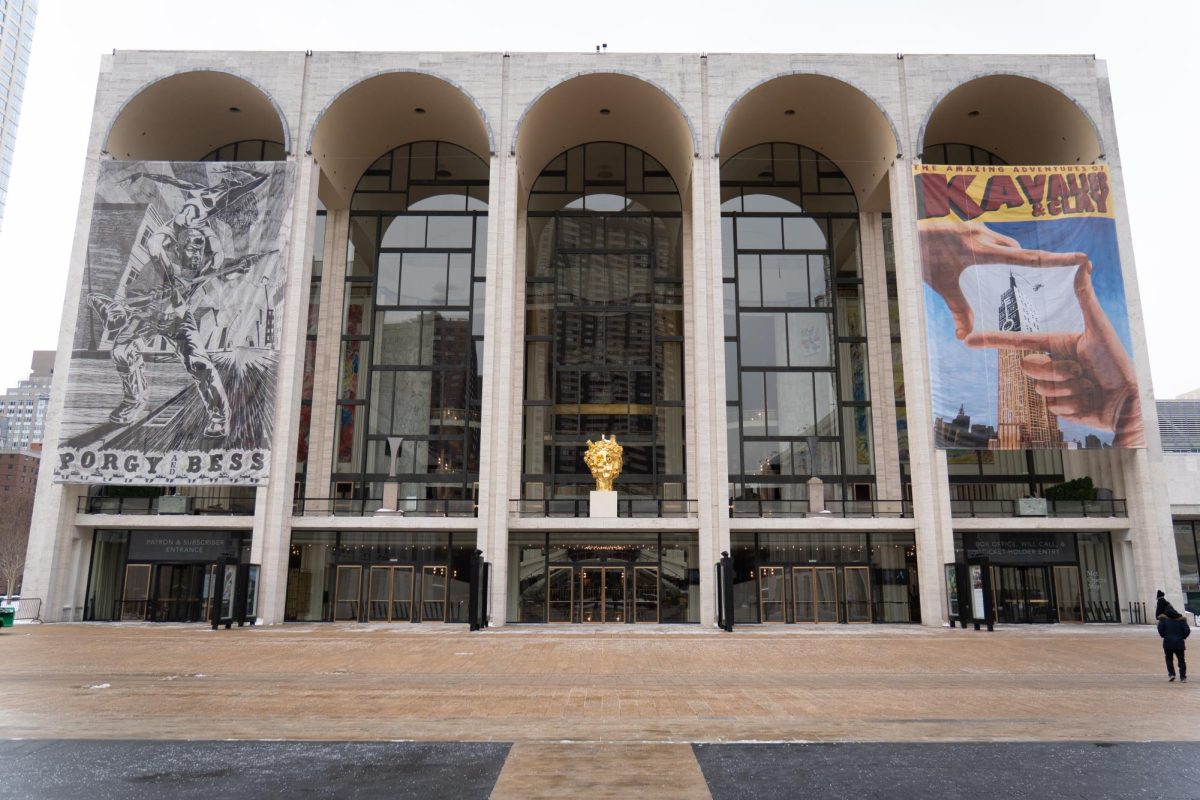
The Metropolitan Opera House is home to an array of artists and artistic forms. Singers, conductors, designers and dancers alike call the opera house a living space for creatives. Despite the liveliness of the institution, creativity is not free and financial struggles have changed the once living home for art.
In 2024, the Met had $511,777 in total assets, down from its 2023 total assets of $552,398. Its net change in assets was negative $39,558 in 2024; in 2023, that number was negative $14,444.
Almost every category in its consolidated balance sheets show a decline; the few categories that are more stable, or not in complete decline, are fundraising expenses and acquisition of property and equipment.
“These staff reductions, combined with some temporary salary reductions and other cost-cutting measures, will reduce the Met’s expenses by $15m for the remaining six months of the Met’s fiscal year, and by another $25m in the Met’s following fiscal year,” the Met told the Guardian.
Lagging financial indicators and dire budget alignments made it so it was only a matter of time before they had to turn to layoffs and pay cuts.
Although artists view and treat the Met as a living community, the COVID-19 pandemic caused major financial setbacks and the Met has yet to recover despite support.
However, the most vulnerable members inside the institution will be spared from life-altering pay cuts as they reduce the salaries of executives making over $150,000 by 4% to 15%, and the 22 eliminated positions were administrators. Tough decisions might be temporary despite the doom and gloom.
A $200 million deal made with Saudi Arabia might give the opera house the needed subsidies while training aspiring artists from another part of the world.
The deal requires that for three weeks, every winter the Met’s company would perform at the new Royal Diriyah Opera House set to open in 2028.
Peter Gelb, general manager at the Met, has shared some optimism for the deal but recognizes money won’t come quickly,
“I understand the Saudis have had to recalibrate their budgets because of their own economic concerns,” Gelb told The New York Times.
“I’ve been assured that it’s going to go forward. But we have been waiting for some time.”