
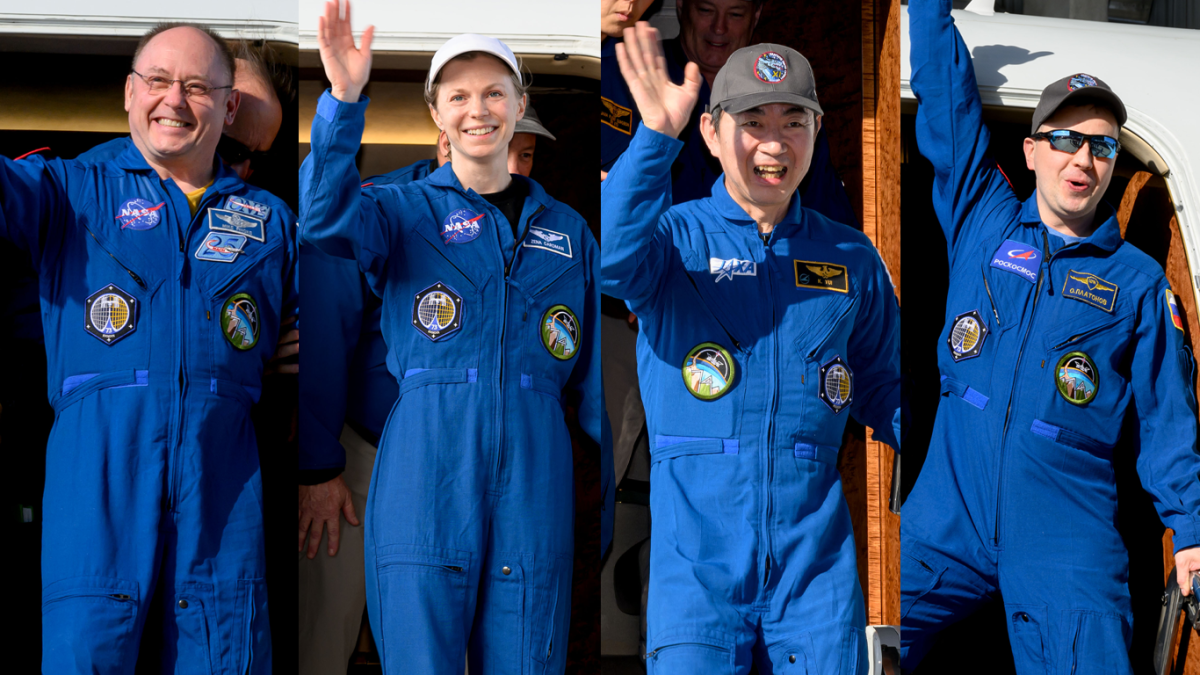
NASA confirmed that four team members from SpaceX Crew-11 returned to Earth on Jan. 15 following a historic emergency splashdown in the Pacific Ocean. The mission was cut short due to a medical emergency, marking the first time in 25 years the International Space Station terminated a mission early.
The SpaceX Dragon Endeavour spacecraft, carrying NASA astronauts Zena Cardman and Mike Fincke, JAXA astronauts Kimiya Yui and Roscosmos astronaut Oleg Platonov, touched down off the coast of San Diego at 3:41 a.m. EST.
The return trip spanned less than 11 hours from the moment the capsule undocked from the ISS roughly 250 miles above Earth.
The medical evacuation protocol was authorized by NASA Administrator Jared Isaacman who led the agency’s top leadership role in December 2025. “Obviously, we took this action because it was a serious medical condition,” Isaacman said at a press briefing of the mission in Houston.
NASA has not identified the individual crew member or details regarding the emergency, citing federal privacy laws. However agency officials confirmed the condition of the individual was decided following the Jan. 7 cancellation of a scheduled spacewalk by Cardman and Fincke.
“The astronaut in question is fine right now, in good spirits and going through the proper medical checks,” Isaacman said. The emergency underlines some of the limitations of the ISS.
While an advanced research facility, the ISS lacks the diagnostic and surgical capabilities of hospitals. Astronauts are trained in only basic emergency procedures like CPR and IV insertion.
The medical equipment aboard the station is also insufficient, with the most advanced pieces being ultrasounds and defibrillators. The physical environment in space inherently inhibits the ability to provide complex care such as surgeries and urgent care, creating a complex problem for the ISS. The Crew-11 evacuation highlights a bigger and widening safety issue.
While the ISS is a half- day trip from Earth, professional medical intervention may be days or even weeks away due to the elaborate procedures involved in returning.
SpaceX Crew-11 has been in orbit since August 2025 and was originally scheduled to remain through late February 2026.
Despite the early end, the crew completed 167 days in space and over 850 hours of scientific research.
“It’s bittersweet,” Fincke said in a statement after splashdown.