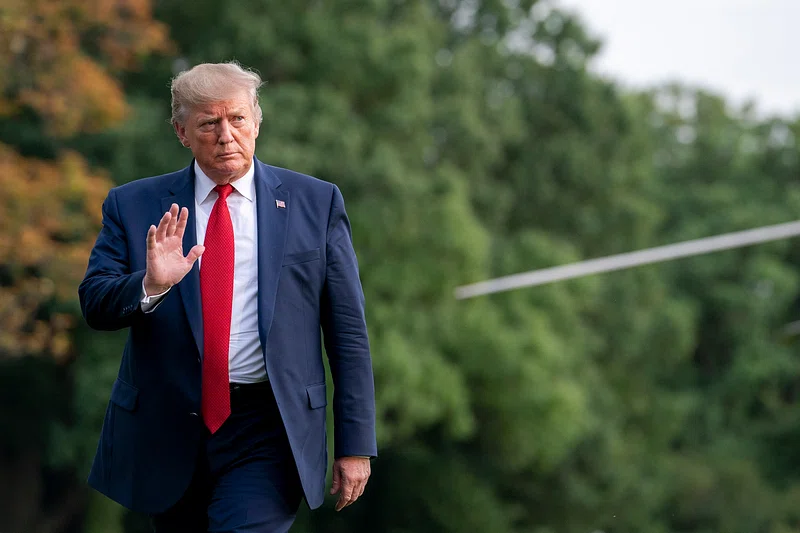

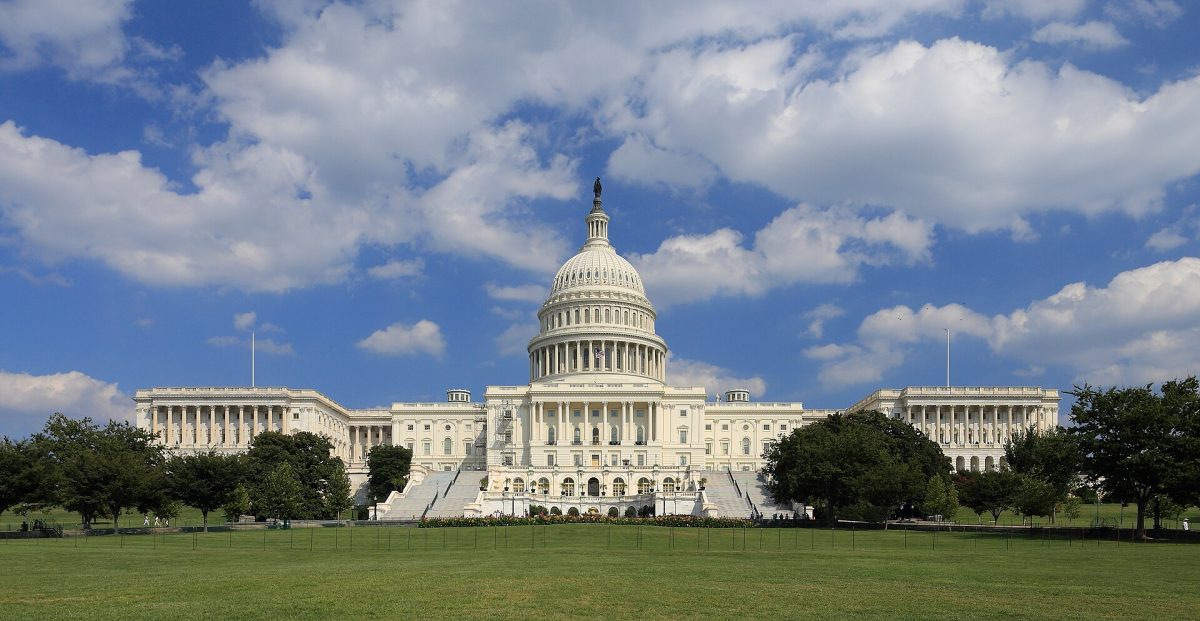
Congress has recently been restoring funding to federal programs following several budget cuts President Donald Trump had requested last year.
The cuts Trump requested would have gutted multiple key scientific research, global aid and arts programs. The president also intended to reduce budgets for NASA, the U.S. Environmental Protection Agency and the National Oceanic Atmospheric Administration.
Before addressing why these programs should not have their funding reduced, it is worth acknowledging the appeal of cutting federal spending in the first place. One of the key ideas touted by the Trump administration is that the government simply spends too much money. At face value, this is an agreeable idea.
The government does spend too much money and there are departments that have unreasonably high budgets. With that in mind, the solution seems simple: reduce unnecessary spending. However, the issues with Trump’s budget cuts lie in where these cuts are aimed and what is declared “unnecessary.”
Essential scientific, public safety and international aid budgets do not fall into the category of unnecessary spending.
Congress should continue to restore funding for these programs.
In NASA’s case, the cut was reduced from 24% to just 1.6%. The National Science Foundation — which sponsors the nation’s STEM research — had its cut reduced from 56% to less than 1%.
As an example, NOAA fired approximately 1,000 employees last year as part of the U.S. Department of Government Efficiency’s vision for an overhaul of the government under the Trump administration.
Just a few months later in October 2025, a storm flooded multiple small communities in Alaska.
The storm killed one person and displaced over 1,000 people. The National Weather Service issued warnings without the aid of its usual accurate weather predictions.
Experts say this may have partly been due to the gap in weather balloon coverage over Western Alaska NOAA faced after its budget cuts.
The storm and its effects might have become a household occurrence in other parts of the U.S. if the Trump administration had its way and dismantled NOAA. This idea applies to several other government agencies: U.S. Agency for International Development saves lives and provides the U.S. with soft power, the U.S. Geological Survey monitors earthquakes and NASA works on — among its other notable missions in space — cancer research.
The Trump administration’s funding cuts would drastically reduce the ability of these agencies to properly do their jobs. These agencies and the data they provide are essential for the public’s safety, and funding cuts should be redirected elsewhere.
So, where should Congress agree to cut funding, if not the programs requested by the president?
The first that comes to mind is the defense budget. The savings earned through the proposed budget cuts to NASA, NOAA and other agencies pale in comparison to the U.S.’ defense budget.
Trump has called for a record $1.5 trillion defense budget in 2027, an approximate 50% jump from this year.
There are evidently other places to cut budgets where necessary, so it would be unwise for Congress to undermine scientific research, lifesaving humanitarian aid and the arts instead.
Congress should continue on its current path: reduce the extraordinary cuts, fight for scientific and humanitarian programs to keep their funding and insist that the extreme cuts called for by Trump are checked.
Restoring these budgets makes a statement about the value of these programs.
Their value is not up for debate as programs that directly save lives and promote research for the public good.
Ensuring that they remain functional and continue to support the U.S. is essential as Trump’s second term continues. The fight against these “deeply unserious” budget cuts, as Sen. Patty Murray described them, must continue.