
The Metropolitan Transportation Authority announced that it would adopt a “European-style” approach to fare enforcement on New York City buses.
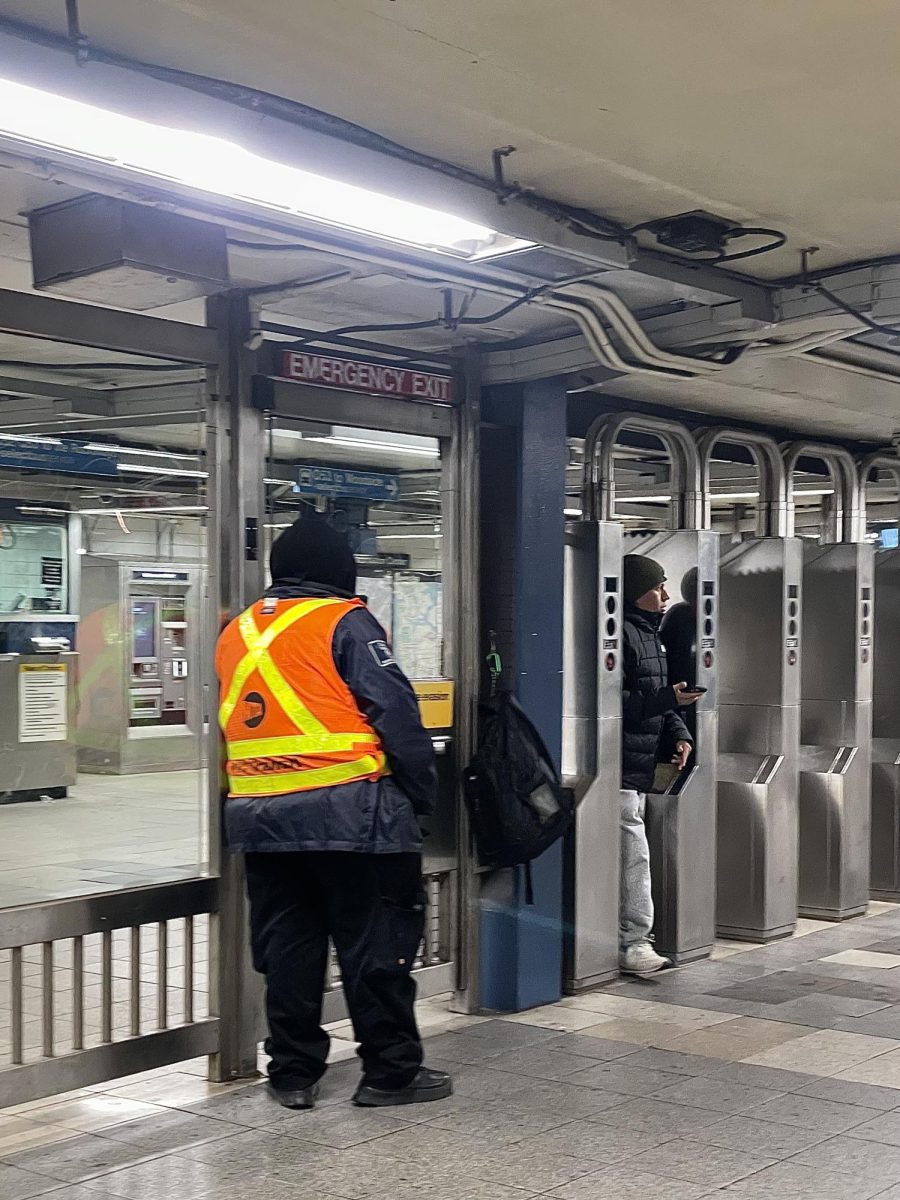
This strategy will replace the traditional police check with fare agents asking for proof of payment once riders have entered the bus.
The change was introduced by MTA Chair Janno Lieber to combat the high levels of fare evasion on city buses, a problem he calls an “existential threat” that costs the MTA millions every year.
In the past, the MTA has attempted to combat fare evasion by deploying its Evasion and Gateless Enforcement team. This consisted of fare inspector squads supported by the New York City Police Department who would enforce payment on select and local buses with high rates of fare evasion.
However, there are not enough NYPD officers to enforce payment on buses since many have already been assigned throughout the subway system.
The shift coincides with the ongoing rollout of One Metro New York, or OMNY, the new tap-to-pay system set to replace the MetroCard once it officially retires on Dec. 31.
Lieber claimed that the OMNY system makes it easier to check if someone has paid the fare because it creates a digital record of each payment.
An analysis from the Citizens Budget Commission has found that fare and toll evasion cost the MTA about $1 billion in 2024.
This includes about $568 million in unpaid bus fares, which is the largest revenue loss across the city’s transportation system.
One of the biggest issues related to fare evasion on buses is that riders are prone to entering the bus through the back door while the bus is at a stop.
“We hope that will ultimately help us to make more progress on the bus issue, which I think got escalated quickly during COVID, when we told people, get on the back and don’t pay,” Lieber told amNY.
However, transit advocates have argued that design changes are also needed to solve the issue.
Danny Pearlstein, a spokesperson for the Riders Alliance, pointed out that although OMNY readers have already been added near the back doors of buses, riders are still not allowed to use them.
“Riders want all-door boarding starting yesterday and a robust policy process to get free buses right starting tomorrow,” Pearlstein wrote in an email to Gothamist.
“Riders are struggling, bus service is slow and unreliable and fare collection has been intermittent.”
Although the exact timeline for the rollout of fare agents remains uncertain, the MTA says it will begin once OMNY is fully implemented in early 2026.