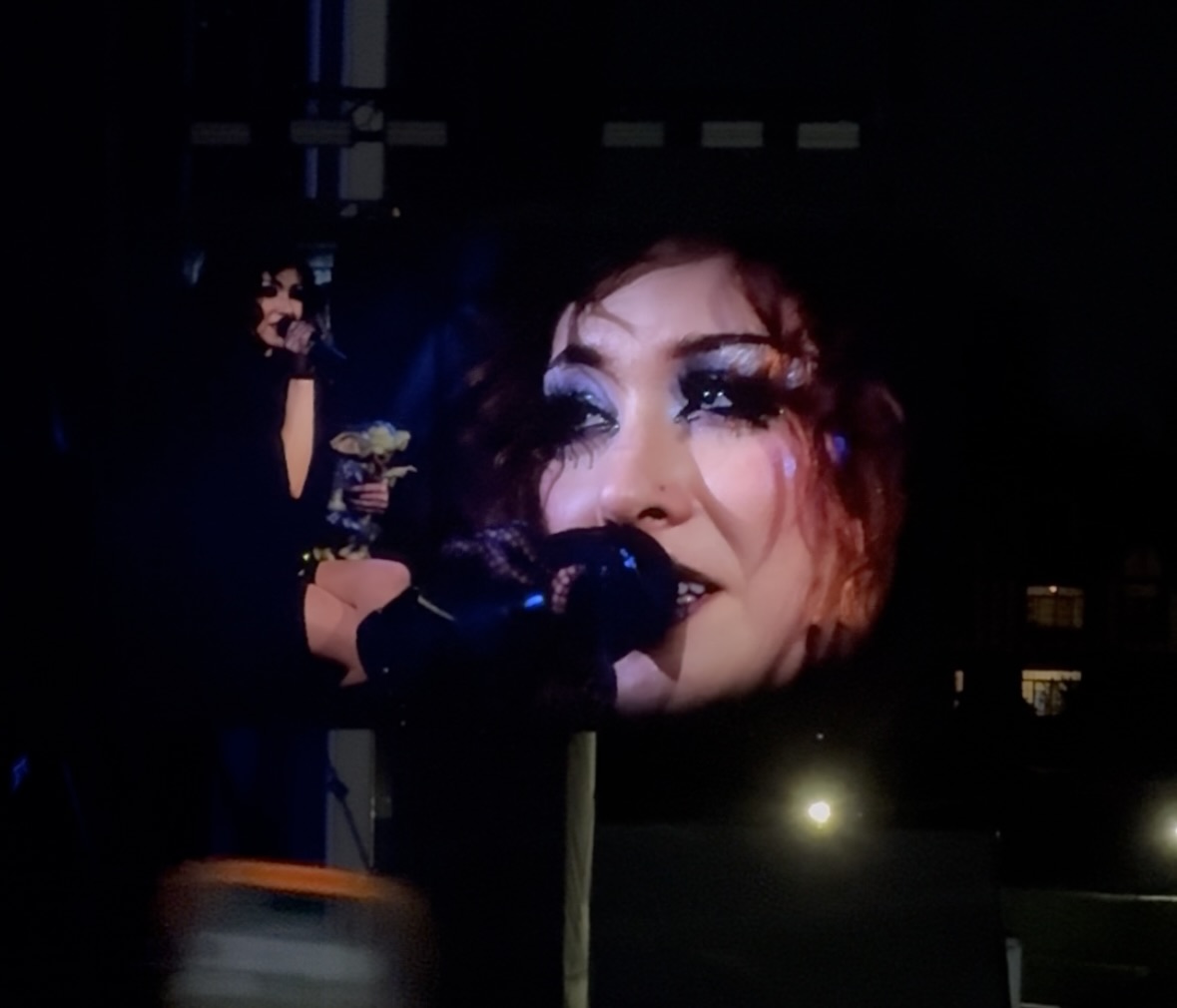

In a fully packed circle-shaped seating, the musical theater piece “Oratorio for Living Things” was met with a crowd full of confusion, curiosity and laughter. The composer and playwright Heather Christian was one of the 2025 MacArthur Fellows and received $800,000 for the fellowship.
In a video for the MacArthur Foundation, Christian explained her inspiration for her works.
“I am dealing with spirituality because I feel called to do it,” Christian said in the video. “Part of being human is thinking about mortality.”
One of the performers, Divya Maus, reflected on the meaning of the musical theater piece.
“It’s musing about something that is so complex and epic that it can’t be convinced to a single definition or meaning,” she said.
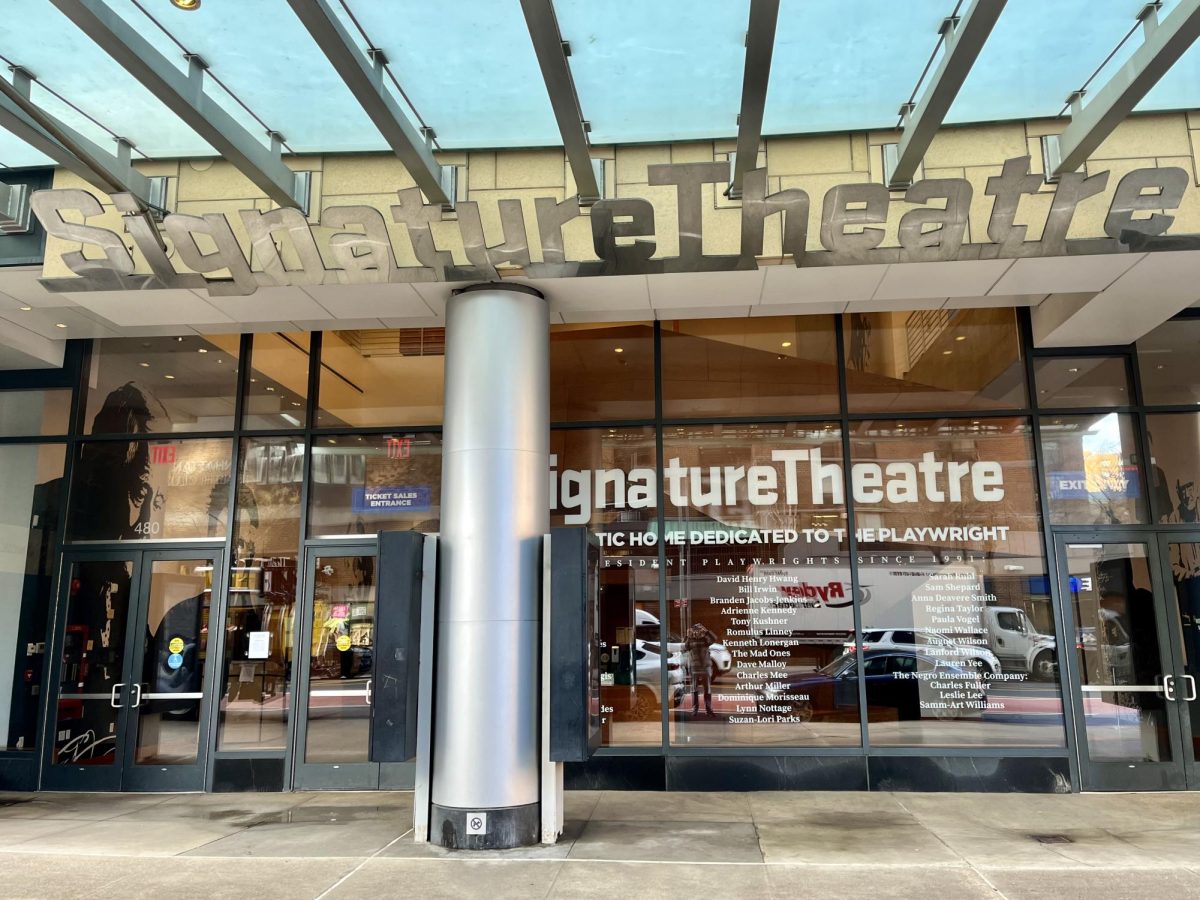
“Oratorio for Living Things” was performed at the off-Broadway venue Signature Theatre on 42nd Street and was inspired by time and space. The musical theater piece won the Obie award for Sustained Achievement in Design and for Special Citations, which is an honorable award for unique or outstanding contributions to off-Broadway.
The intimacy between the crowd and performers created a certain amount of unusual audience engagement for musical theater pieces. Maus explained that the audience engagement made the performers feel close to the spectators. “There’s a very high level of intimacy of being so close to people and seeing their faces and their reactions,” Maus said.
Likewise, the spectators felt the intimacy of the performance. The crowd sat in an unconventional circular shape and the performers constantly moved between the aisles. Attendee Frances Higgins said she felt the intimacy created by the seating. “The audience feels it circular, and the audience feels very much a part of it, and that’s what I like about it,” Higgins told The Ticker.
The New York Times reviewed the musical theatre piece in 2022 and described it as a “Profoundly strange and overwhelmingly beautiful new music-theater piece.” Another review from the New York Theatre Guide said the show “completely reshapes what a theatre performance can be.”
After the show, attendees could participate in one of Christian’s projects called “Share a Memory, Plant a Memory.” The concept invites attendees to write a memory on a sticky note and trade their memory with a stranger.
Spectator Gideon Irving participated and shared his thoughts on Christian’s memory-sharing project. “Another opportunity to connect all these strangers through time that shared experience without knowing each other,” Irving said. “…reminding them that we are part of a long line of energy and happenings and non-happenings.”
The views on the show differed among audience members. Irving said he thought it was not like any theater piece he had seen before. “A lot of the show is made to be understood with your heart more than your mind, which I found refreshing,” he said.
Higgins, however, had a different perspective. She said the show stood out because it required her to think. “I had to go home to think about the concepts because they were more complex than I could figure out in the hour or so.”
“Oratorio for Living Things” stopped running on Nov. 23. Next year, Christian is set to be involved in other projects. She is the composer for the musical adaptation of “A Wrinkle in Time,” based on the novel by Madeleine L’Engle.