
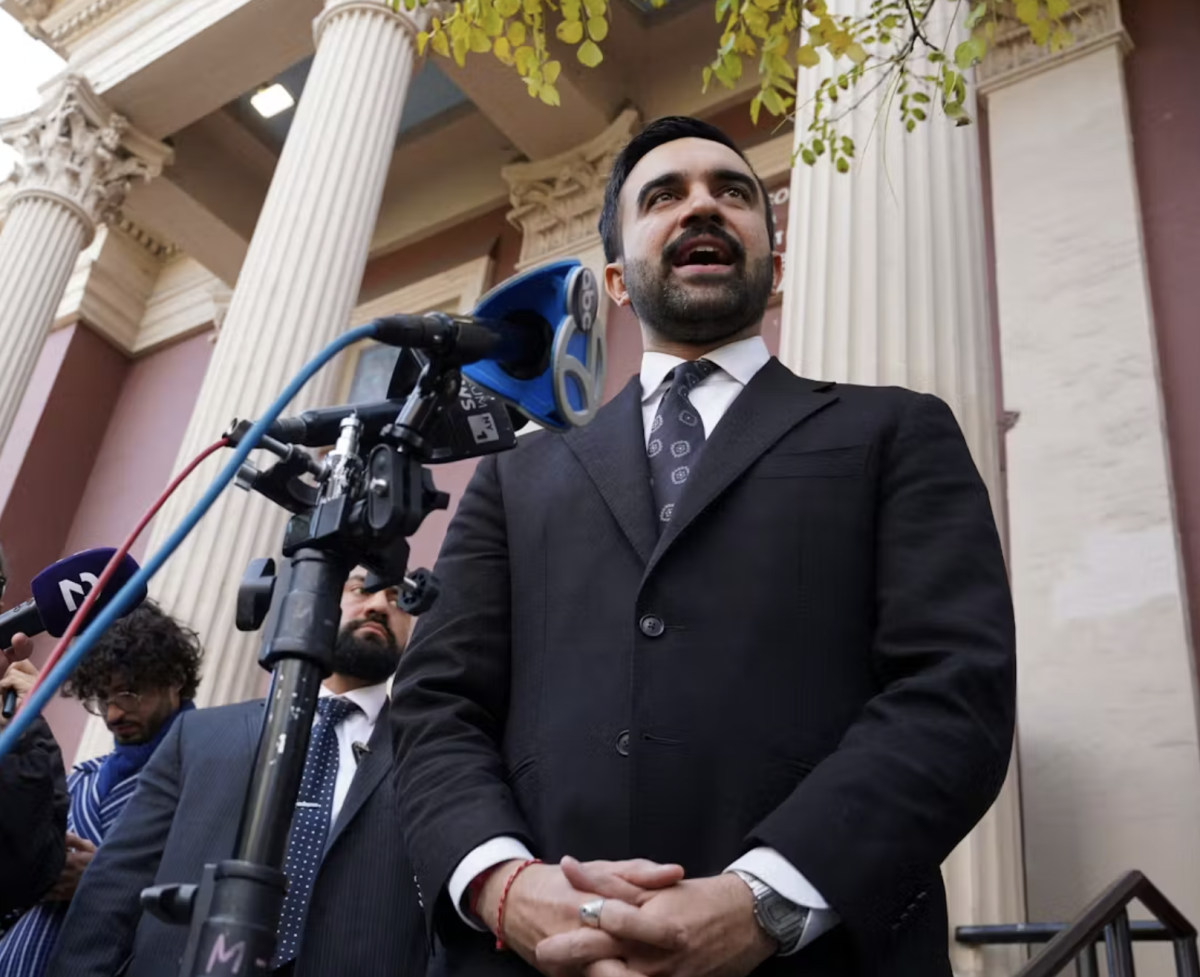
New York City mayor-elect Zohran Mamdani is assembling his transition team in preparation to take office next year.
He has many ambitious plans for his time in office, but priorities are important in politics. Some of his best policies can provide the city with real value, but some of his more questionable ones could sink it.
Mamdani should build more housing. The city is in desperate need of hundreds of thousands of additional units, and the new mayor should consider the mistakes that progressives have made with affordable housing projects in the past.
It is admirable to want the houses to be 100% union-built, but the most important thing is to build them promptly and cost-efficiently. Mamdani should reject the strain of progressivism that imposes excessive requirements on the construction of government-funded housing, slowing progress and raising costs.
He should also build upon the permitting reforms of the ballot initiatives and continue to push an agenda of housing abundance that can potentially spur private development. The city can have a supply boom under his tenure, with both the government and private sector contributing.
Mamdani should not freeze the rent. Although this promise made him gain significant popularity, it is one he cannot afford to keep. Freezing rent provides temporary relief for the tenants in rent-stabilized homes, but eventually landlords will let buildings rot or sit off the market while raising the rent on their market-rate tenants to cover their losses. By freezing the rent, regardless of costs and market conditions, the housing boom the city needs would die before it even starts.
Mamdani should make buses fast, but not free. Instead, the city would be better off expanding existing programs for low-income riders and leaving fares in place to maintain a stable funding source for the public transportation system.
Fares help keep borrowing costs down and the Metropolitan Transportation Authority solvent for necessary expenses, such as payroll or repairs.
Keeping a small barrier to entry will help prevent overcrowding and the deterioration of service. Improving transit equity with cheaper, more targeted efforts will create a balance between what riders can afford and what the city can afford.
Mamdani should make child care free. Child care costs are one of the largest barriers to upward mobility, so a significant investment in child care would be transformative for New York City families. It would improve outcomes for children, save families thousands of dollars, allow more parents to enter the workforce and reduce reliance on social assistance like food stamps. It is Mamdani’s most expensive policy, but it will be worth every penny invested.
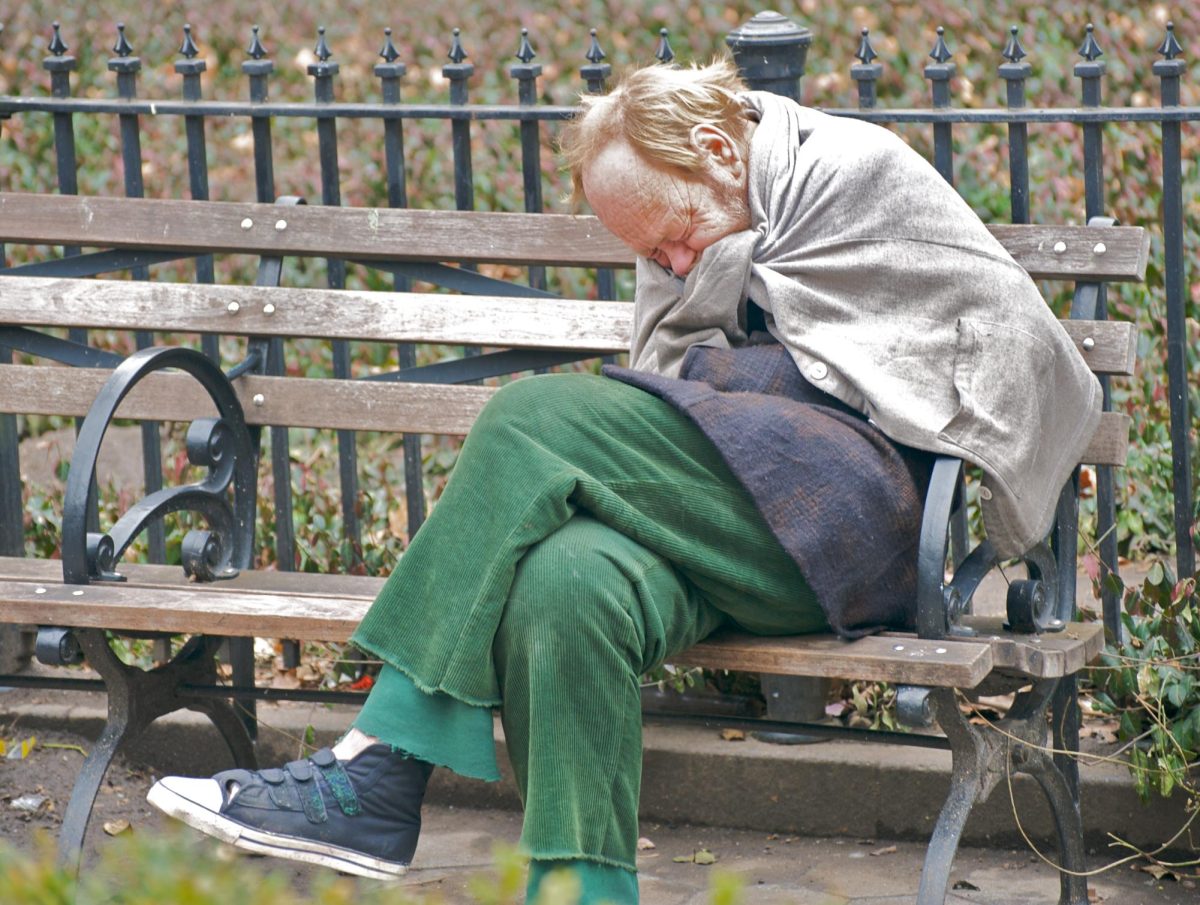
Mamdani should establish the Department of Community Safety. Its addition will help the police address both the homeless and opioid crises.
It is past due for the city to offer more assistance to those in desperate need of help.
Finally, Mamdani should raise the minimum wage, but he should not aim for $30 an hour by 2030.
Rising wages are good for the economy and important for low-income New Yorkers, but excessive stimulation of the process might lead to fewer hours worked and more frequent job layoffs. Working to create a multi-year plan for staggered increases to a more achievable target of, for instance, $24 per hour, has more potential to boost individual incomes.
Mamdani will soon take the reins of the nation’s largest and most expensive city, as well as all the pressure that comes with it. If he is not afraid to break some policy pledges and focus on his winning strategies, he can deliver on his one true promise to make NYC more affordable.