

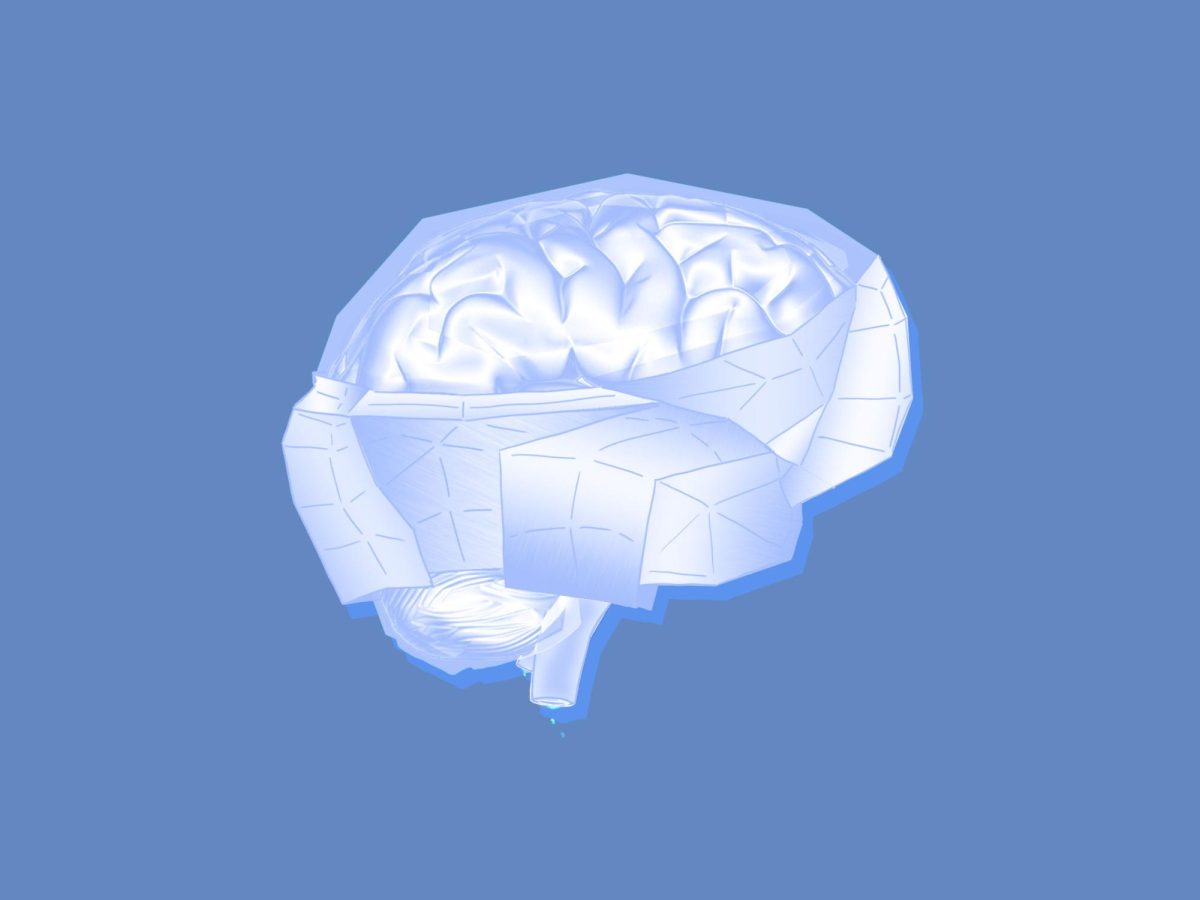
The brain is developed to adapt to compact environments, short timelines and simple causality. As a result, large-scale systems often feel unintuitive.
Cognitive neuroscience shows that the mind handles local patterns with ease, but it begins to lose clarity when information spans decades, continents or many interlinked variables.
Global structures like energy supply chains and industrial transitions push the limits of what the brain can comfortably represent; this mismatch leads to oversimplified interpretations.
Research on hierarchical and counterfactual processing helps explain this pattern.
Studies indicate that the brain struggles when reasoning across multiple layers or long time spans.
When a system contains many interacting parts, the mind reduces it into a simpler model to stay within its cognitive boundaries. This reduction creates gaps between how large systems operate and how people expect them to behave.
Imaging work conducted by eLife demonstrates that the brain coordinates large-scale neural activity by compressing information into low-dimensional states. These states make complex inputs manageable but strip away detail.
Consequently, when people encounter a global transition or multidecade outlook, they default to linear expectations that fit their internal simplifications.
For example, debates about long-term oil demand often reveal how intuitive expectations clash with slower, structurally constrained shifts seen in real-world systems.
The system is large, multilayered and shaped by physical limitations that intuition cannot capture.
Further evidence comes from research that models the brain as a complex network.
Findings published in NeuroImage suggest that cognition depends on reducing high-dimensional information into streamlined patterns that support rapid decision-making, however, they limit the mind’s ability to simulate nonlinear or multivariable systems.
When a domain contains compounding cycles, infrastructure lags or delayed feedback, intuitive reasoning becomes unreliable. The mind substitutes the system’s mechanics with a simplified version that feels coherent.
This framework clarifies why people often misread global issues. Whether the topic is energy, climate, financial cycles or industrial transitions, the brain gravitates toward explanations that match its compressed internal model.
These models cannot contain the dozens of variables that drive large systems, and without deliberate training, the mind defaults to narratives that feel consistent rather than accurate.
Scientific literacy offers a way to expand these limits.
Learning how large systems behave trains the mind to tolerate complexity.
It strengthens hierarchical reasoning, increases comfort with ambiguity and reinforces the circuits responsible for abstraction.
Exposure to multiscale systems also develops the ability to think in longer timelines, a capacity that emerges only with sustained practice.
Understanding large systems then becomes a form of cognitive development.
It teaches the mind to resist oversimplification, hold multiple variables at once and remain steady in the presence of complexity.