
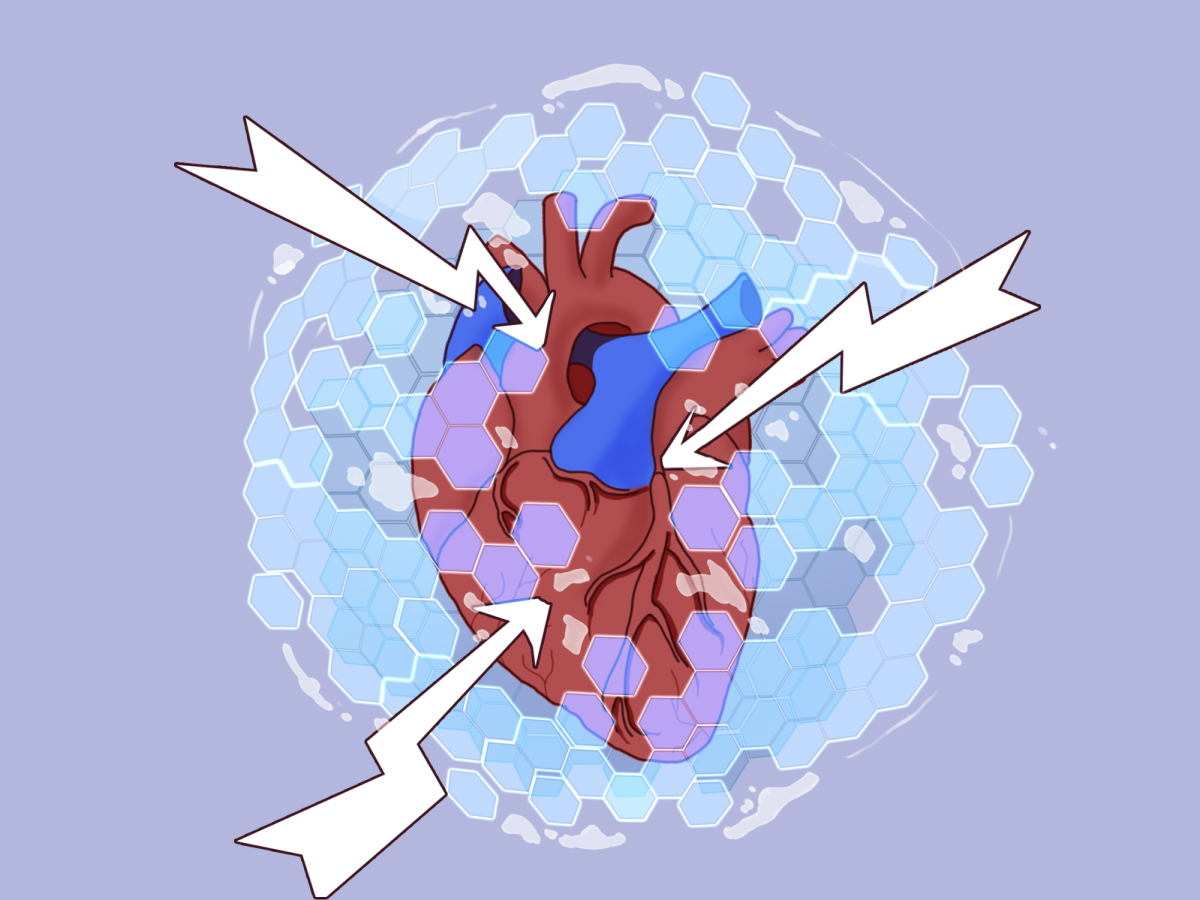
A breakthrough study published in the American Society For Microbiology suggests that the trillions of microbes inside of us may be silently driving the world’s leading killer: coronary artery disease.
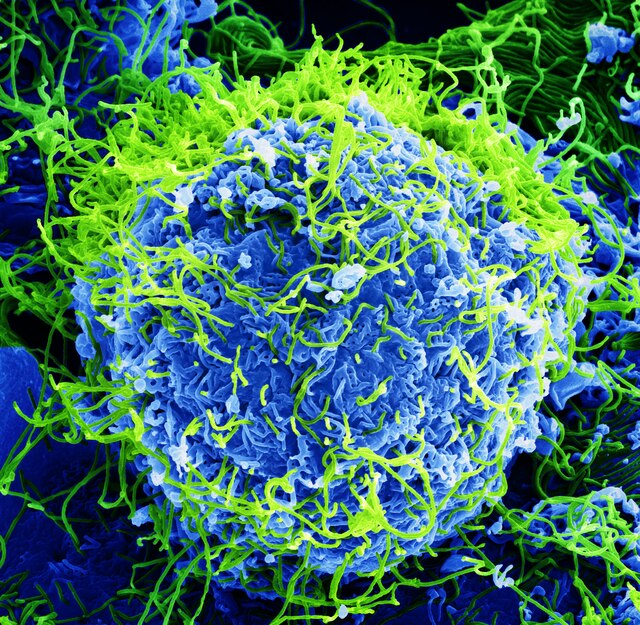
Researchers identified 15 specific gut bacteria species linked to CAD, revealing that an unhealthy gut does not just harbor the wrong mix of microbes but also fundamentally shifts the entire ecosystem’s job toward disease.
The research team in Seoul went above simple microbial counting.
To understand the exact roles microbes play, they used metagenomic sequencing, a DNA reading method, on patient samples, creating a functional and detailed map of all the microbial genes present. This effective method allowed them to pinpoint which bacteria were present, what chemical processes they were activating and how these functions connected to the severity of CAD.
The analysis revealed a fatal functional shift in the diseased gut, characterized by two major changes.
First, there was a significant loss of protective bacteria, notably short-chain fatty acid producers. SCFAs are vital chemicals known for their anti-inflammatory properties and their role in supporting healthy blood vessels.
Second, the remaining microbes showed an overactivation of certain chemical pathways, such as the urea cycle, which are associated with increased inflammation and stress on the heart.
The study revealed that even “good” bacteria appear to take on different, potentially harmful roles depending on the host’s health. This suggests that the environment of a diseased gut can essentially turn “friendly” microbes rogue.
Further complexity was mentioned within specific bacteria families such as the Lachnospiraceae family: while some other species decreased in CAD patients, others increased, gaining them the nickname, the Dr. Jekyll and Mr. Hyde of the gut.
The clinical implications are extremely valuable. This microbial profile showed a strong ability to predict CAD, suggesting that gut data could become a powerful new biomarker, or a biological sign, for early detection.
More importantly, these insights can pave the way for precision-based interventions, such as tailored nutritional therapies or microbial transplants, designed to block harmful processes and restore a healthy balance, preventing cardiovascular disease before it even begins.