
Margaret Atwood was recently featured in CBS’s “60 minutes” where she talked about her inspiration for her dystopian novels. Atwood, called by readers as the “prophet of doom,” has disagreed with that label because the content seen in her books dates to past events.
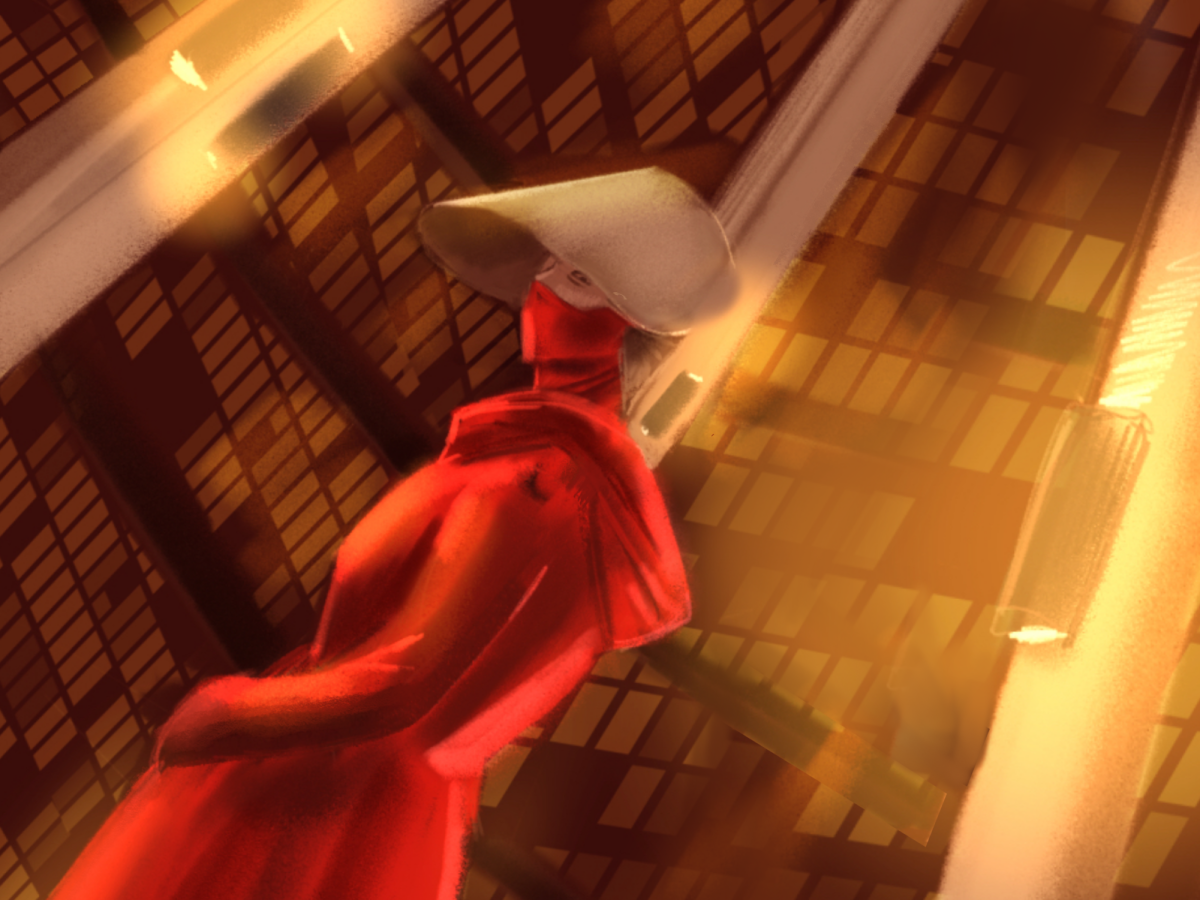
Atwood is a Canadian author, best known for her 1985 dystopian novel “The Handmaid’s Tale,” which is set in a male-dominated society where women are forced to bear children. Her work often includes political themes of totalitarianism, corruption and social justice in different settings.
Another one of her novels, “Oryx and Crake,” which was published in 2003, takes place in a future dealing with a suffering environment and modified versions of humans.
While her novels have become relevant, it’s not due to her being a “prophet of doom,” rather, it’s because of how much research Atwood has done to write her novels. “It’s not due to me or the excellence of the book,” she told CBS News. “It’s partly in the twists and turns of history.”
To write books that align with future events, Atwood searched history and documents that uncover the harsh realities of injustices and social challenges.
She archived data that she felt was useful for writing her books. This could range from PCB levels in polar bears, to group hangings in the 17th century. Atwood wrote in a letter explaining how the articles she wrote influenced “The Handmaid’s Tale.”
“Many other things fed into the book as well. As I collected all these bits and pieces, I reflected that there isn’t much in the realm of human eccentricity and outrageousness that hadn’t already been done,” Atwood said in the letter.
Among her articles is a story about an anti-abortion Romanian president who demanded patriotic women bear four children each and another relating to cults revealed by CBC Radio, which all influenced the making of “The Handmaid’s Tale.”
Atwood also wrote about toxic waste, birth control, fertility and kidnapping, archivist Natalya Rattan said.“It wasn’t, you know, ‘This is going to happen without a doubt,’” Atwood said. “This could happen. This might happen, so you should be on the watch for it,” she told Jon Wertheim, a CBS “60 minutes” correspondent.
Atwood was raised with a biologist as a father who encouraged her to wonder about the world.
“I think probably growing up with a biologist makes you quite particular about details because you’re not saying: ‘that’s a butterfly.’ You’re saying what kind of butterfly. You’re not saying: ‘That’s a tree.’ You usually know what kind of tree,” she said.
Though Atwood has accomplished much success in the literary world, her books have been subject to censorship.
Atwood’s books have been banned in 135 school districts across the U.S., according to PEN America, a nonprofit organization that aims to raise awareness for the protection of free speech.
Both the left and right have opinions over her whether they think she is harmful, irrelevant or a traitor. Atwood said her response to that “involves a finger.”