
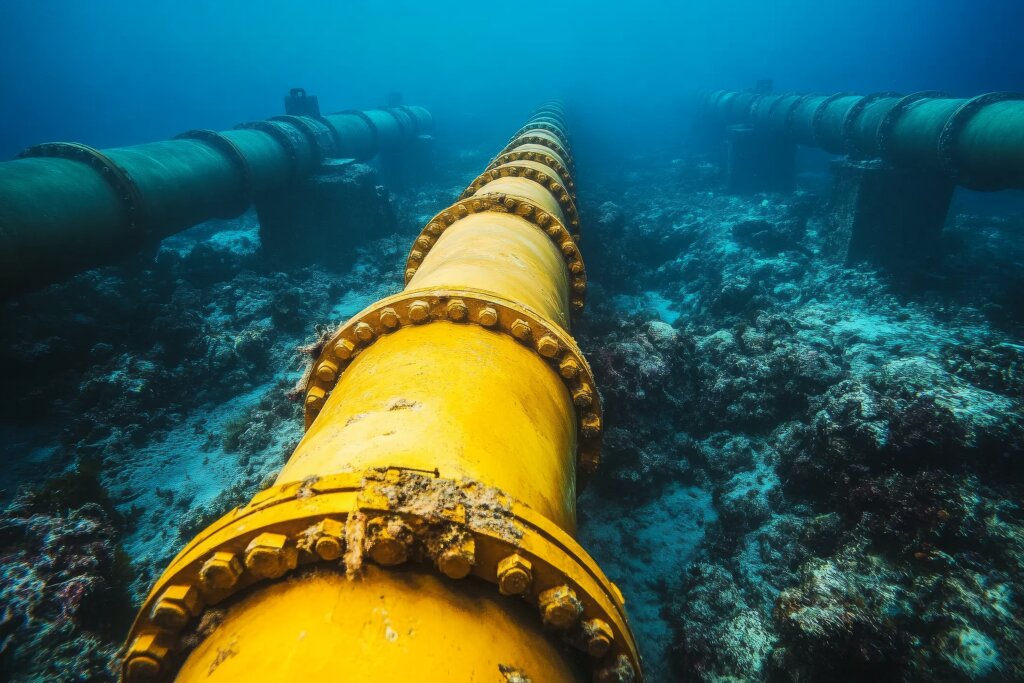
New York Gov. Kathy Hochul’s administration announced the approval of a controversial gas pipeline.
The purported justifications of this $1 billion project, which will deliver gas from Pennsylvania through New Jersey to New York City, are doubtful at best.
The Northeast Supply Enhancement pipeline has a contentious reputation. It has been previously rejected by New York State regulators three times over environmental concerns.
It’s not hard to imagine why – the 23-mile trajectory consists of a variety of ecosystems, including wetlands, coastal waters and marine habitats.
Numerous endangered species call these ecosystems home and the construction of the pipeline will further jeopardize their survival. The construction process of the pipeline alone will stir up wetlands and release the toxins absorbed in the muck.
This will threaten nearby communities’ access to clean water, potentially exposing them to arsenic, lead and mercury contamination from dredged up sediments.
This comes at a time of immense pressure from President Donald Trump’s strategy of “energy dominance” — a goal to maximize the U.S.’s domestic energy production.
Does the demand for a gas pipeline truly warrant the risks, or was the demand simply invented for a hubristic quota from the Trump administration?
Ultimately, vulnerable communities and sensitive marine ecosystems will bear the brunt of the consequences.
Hochul remarked, “We need to govern in reality.”
However, looking at ecological and social realities paints a very dark future if this pipeline is successfully built.
The financial reality is also grim. National Grid customers, who fund infrastructure upgrades, must shoulder the unnecessary billion-dollar cost. The environment of Raritan Bay of New Jersey and New York will harm local businesses such as fishermen, causing even more financial strain.
Additionally, Williams Companies, the company that proposed the pipeline, has a concerning track record of fires and explosions. In the past five years, Williams has reported multiple incidents that released a cumulative 8,000 metric tons of methane into the air, far more potent than carbon dioxide from coal burning.
No changes were made to the proposal upon resubmission. The plan should not go into action until the government addresses these concerns.