

The New York City mayoral election results should be no surprise to anyone who studies U.S. or Western politics. Populism has become a core predictor of election outcomes, more so than political parties or affiliation. Working-class people cannot buy a house, pay rent, buy groceries or have children. They’re in a crisis and they want a politician who governs on their behalf.
Populism speaks to the masses and claims their problems stem from an elite or some other outgroup.
For New Yorkers, mayor-elect Zohran Mamdani spoke to renters being squeezed by landlords. The elite capitalizing on the financial troubles from the stagnant wages of New Yorkers were landlords, real estate giants and the wealthy. Mamdani’s case was simple: tax the city’s elite and freeze rents. It’s a proposal no struggling New Yorker could resist.
Simple messaging and larger-than-life promises are what keep populism going, but unlike the current wave of populists in the U.S. and Western world, Mamdani is a left-leaning populist, a democratic socialist to be exact. Instead of demonizing immigrants and other marginalized groups, Mamdani’s target is the upper-class. A potential counterpoint is that populism of any kind often attracts less experienced candidates with short-sighted views on the issues they aim to improve. Still, Mamdani has a clear vision to turn NYC into an affordable one, moving away from the idea of NYC being a luxury product. Betting on an inexperienced candidate is risky, but New Yorkers took a leap of faith on Nov. 4, hoping for a better life.
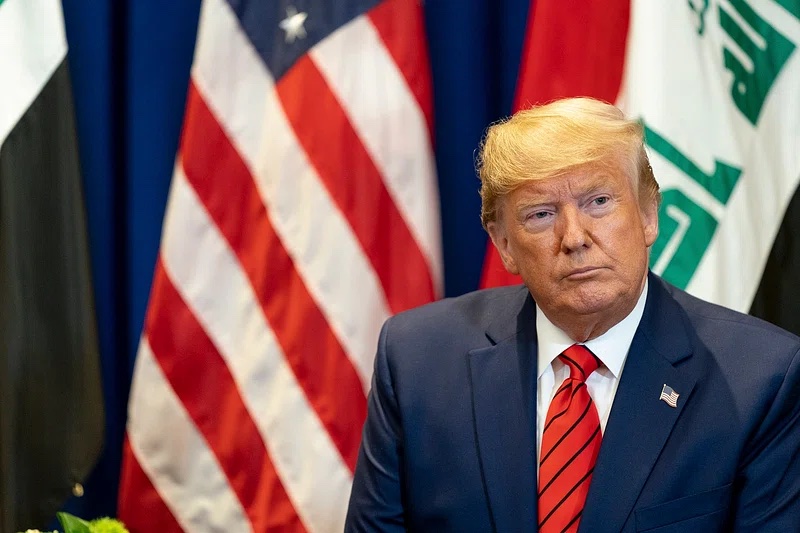
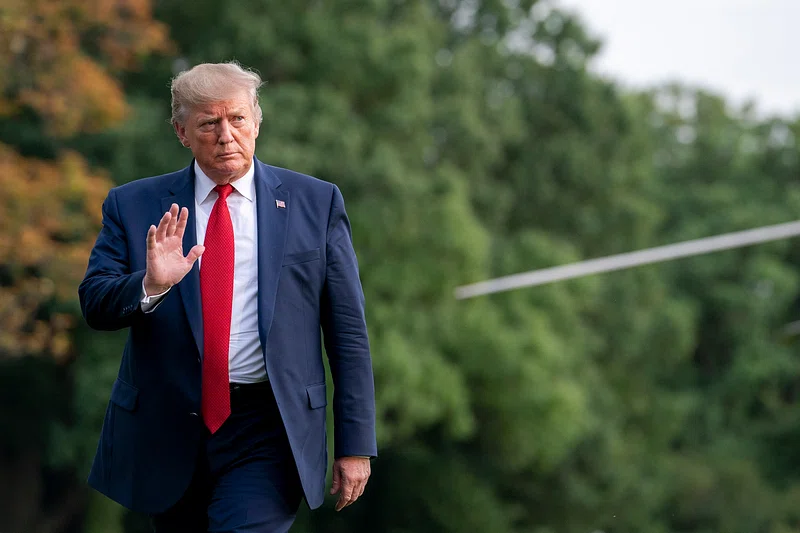
Just as Mamdani’s 2025 mayoral win was no surprise, President Donald Trump’s 2024 presidential win was no surprise. Both candidates understood that the American electorate was unhappy with the status quo and campaigned with that discontentment in mind. Mamdani and Trump made promises to alleviate the unhappiness and bring hope to Americans when they needed it most.
The democratic establishment can learn from its losses and embrace populist candidates. Not only would this guarantee wins in a political age where populism rules, but it would make the democratic party culturally relevant again.
Mamdani achieved a large enough voting base because he went out of his way to engage with all voters. His campaign was so successful, he was even able to win over conservative areas and people who voted for Trump in 2024.
Getting Trump supporters to vote for him was only possible because of his outreach and genuine desire to represent all New Yorkers.
Young voters were another key voting bloc for his win. He had a 30 point margin in precincts where the median age was under 45. It’s not an overstatement to say he dominated the youth vote.
Democrats all over the country should look at Mamdani’s victory as a template of what future candidates can do to engage Republicans and young people. Those two voting blocs could be the difference between a victorious election that empowers the underprivileged and one that ends the American experiment for good.
Chris Deluzio, a U.S. representative from Pennsylvania, said in a memo, “while there are elements of the Abundance agenda that have appeal, and the choice on which messages to deliver is not zero-sum, a populist economic approach better solves for Democrats’ challenges with working-class voters.”
Good economic policy is not enough to win over American voters. Being a spokesperson for the common people is what it takes. For all its faults, populism is the best way to proceed in the American political climate. Mamdani gave the Democratic party a strong example on how to move forward.