
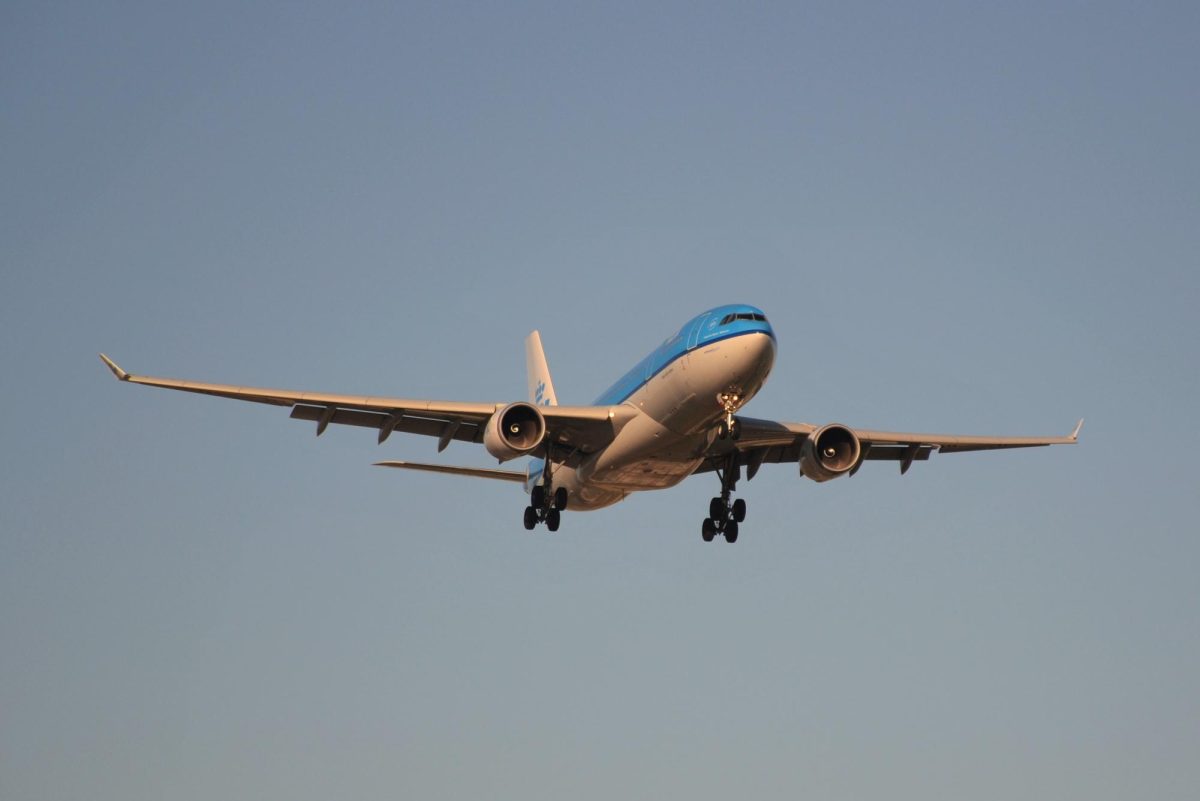
The Federal Aviation Administration reduced air travel by 10% out safety for passengers as a high number of air traffic controllers call out due to the government shutdown.
The FAA issued an emergency order that requires the 40 highly impacted airports to decrease operations on Nov. 11 by 6% and 10% by Nov. 14. The Department of Transportation may also close parts of the U.S. airspace due to the callouts.
“You will see mass flight delays, you’ll see mass cancellations, and you may see us close certain parts of the airspace because we just cannot manage it because we don’t have the air traffic controllers,” Transportation Secretary Sean Duffy said in a news conference.
Nearly 1,000 flights were canceled on Friday, Nov. 7, but there are still major delays across the country due to staffing issues in air traffic control centers and towers.
Controllers secured a partial paycheck when the shutdown first began but missed an entire paycheck last week, CNN reported.
This year, the DOT hired 2,000 controllers to fix a “decade-long” shortage, but Duffy believes this will have an impact on young workers joining the team.
“These young people have a choice to make: do they want to go into a profession where they can have a shutdown, and they cannot be paid? That’s affected our pipeline,” Duffy said.
Currently, controllers work two positions instead of one, which Duffy affirmed is safe. But experts say that the longer the shutdown continues, the more unsafe the airspace is.
“Every single day that this goes on, tomorrow is now less safe,” President of the National Air Traffic Controllers Association Nick Daniels told CNN.
Airlines are expected to continue to cancel flights. American Airlines will cancel about 220 of its roughly 6,000 departing flights, United Airlines plans to cancel 200 of its daily 5,000 flights and Delta Air Lines plans to cancel 170 of its daily flights.
Airlines have said that there should not be a big impact to customers flying because of the time of year.
“We’re not in the peak of summer, we’re not over a holiday period,” United’s Chief Customers Officer David Kinzelman told ABC.
“So, we feel confident that we have enough seats in these markets to accommodate all travelers.”