

Markets responded quickly to the Federal Reserve’s interest rate decrease last week. Gold fluctuated, stocks increased and traders panicked to reposition themselves. Wall Street is not the only place where this type of chain reaction occurs; it is also a reflection of how the human brain responds to uncertainty.
According to neuroscience, the mind is programmed to anticipate what will happen next. When reality deviates from one’s expectations, they quickly remedy the mistake.
The market’s fluctuations following significant economic news are driven by the same mechanism.
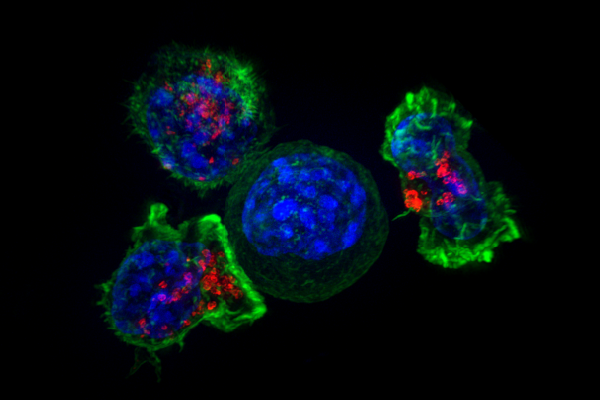
According to a study, when something unexpected occurs, at least a single brain cell responds. When the brain is astonished, neurons fire differently, indicating that expectations need to be updated. Financially speaking, it’s comparable to when investors swiftly revalue assets following a Fed statement.
The same type of reaction that drives markets is the “surprise response” that teaches us. The brain employs two primary systems to deal with uncertainty: a quick, instinctual system and a slower, analytical one, according to research published in the European Journal of Neuroscience.
When things are quiet, the slower system carefully considers its alternatives.
However, the fast system kicks in and forces us to make quick judgments when pressure increases, such during an unexpected rate drop.
When markets are erratic, traders and algorithms act similarly. This behavior is linked to the reward area of the brain. When results are uncertain, those who are more active in the areas that process risk and reward are more likely to take chances.
The reason why market confidence might spike following policy changes is explained by the same wiring: the brain’s motivational stimulant, dopamine, magnifies opportunity until reality restores equilibrium.
Studies published in PubMed Central have demonstrated that the brain’s primary objective in the face of uncertainty is stability. Control areas in the brain slow us down when information is uncertain, making us plan and less likely to make rash decisions.
Investors attempt to restore equilibrium when they adjust their portfolios following unexpected news.
The mind and the market are both prediction machines.
Each one responds to unexpected events, modifies expectations and looks for equilibrium.
The same pattern occurs when the Fed lowers interest rates or a neuron fires without warning: uncertainty leads to adaptability.