

The world is becoming a little less colorful.
Researchers have discovered that butterflies are losing their once-vibrant colors because of deforestation and habitat loss.
The butterflies’ color schemes are fundamental to their survival.
Their vibrant hues help attract mates while deterring predators. However, as humans begin to replace tropical forests with monoculture plantations, these vibrant butterflies are becoming increasingly rare.
In these landscapes, their bright colors are no longer an advantage, instead, they are a liability.
Research into butterflies’ adaptation to their environment dates back to 2019, when Ricardo Spaniol and his team discovered that “butterfly species changed significantly depending on their environment.”
They observed that “the most colorful species are often the first to disappear locally after deforestation,” noting that butterflies within deforested areas typically had gray or brown bodies.
In contrast, when investigating a preserved forest, they found a variety of colorful butterflies alongside the duller ones, suggesting a rather concerning pattern.
Spaniol notes, “It felt like we were uncovering a hidden dimension of how species respond to environmental change, a dimension that had remained invisible until then, but is incredibly rich”.
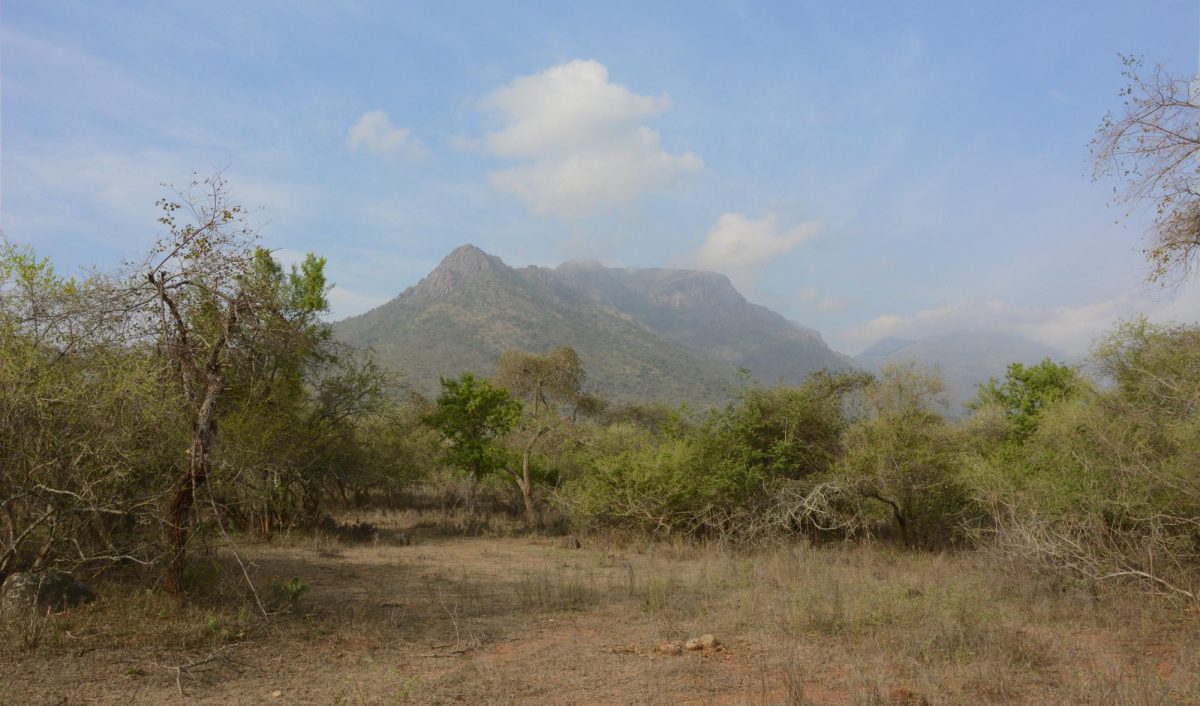
The Amazon rainforest isn’t the only ecosystem undergoing these detrimental changes.
Eucalyptus plantations, a common form of monoculture used for wood, toilet paper and timber, are estimated to cover 54 million acres globally.
As these simplified environments continue to grow, they bring with them an intertwined loss of complexity and ecological function.
“Even planet Earth itself is losing brightness as seen from space,” Spaniol said. “It is truly remarkable and concerning how interconnected these processes are, and how every impact cascades into further consequences.”
Spaniol’s insights revealed that this process goes beyond the destruction of forests — it’s part of a broader global pattern of environmental degradation.
Research suggests these changes are reversible. Spaniol found that forested habitats, which had been regenerating for 30 years after being cleared for cattle grazing, showed remarkable recovery in butterfly color diversity.
Though these findings focus on butterflies, they point to a clear path forward, one that emphasizes the importance of protecting and preserving forests.
If actions are promptly taken, butterfly populations can be safe-guarded and the broader biodiversity that sustains life on Earth, ensuring a future where the once colorful world is restored, not lost.