

With bus and subway fares reaching nearly $3, Zohran Mamdani’s promise for free bus fares has been a critical factor in his victory in the Democratic primary and the mayoral race. His campaign underscores the importance of affordability, appealing to most New Yorkers during a time where prices for groceries and household items are soaring.
Accessibility for transportation is paramount in a bustling city like New York, but enacting free buses isn’t so cut and dry.
Metropolitan Transportation Authority Chair and CEO Janno Lieber weighed in on Mamdani’s proposal, appreciating how prominently the transit was featured in the mayoral race but also noting that such an initiative would require more deliberation.
“Our projection is that bus revenue is going to start to push closer to a billion dollars a year in the next couple of years, as we’ve gotten customers back, and frankly, as we’ve pushed back on fare evasion on buses,” he said. This money would be crucial to supporting Mamdani’s proposal, as his estimate of $630 million a year to replace the funds that the MTA will lose is far higher, according to Lieber.
The funding required for a project of this scale is only one of the many factors that have resulted in Leiber’s apprehension. He added, “If a lot more people are riding the bus, are we going to need more buses? Will we need extra depots?”
Numerous cities have found methods of implementing free bus services. Boston utilizes federal money to make three bus lines free, while Alexandria, Va. and Olympia, Wash. have stopped collecting fares altogether.
In Kansas City, the regional transit authority eliminated fares in 2020, and it hadn’t gone as smoothly as local leaders anticipated. Eric Bunch, a city councilman in Kansas City and a board member of the Kansas City Area Transportation Authority, described the lack of funding and overall inattention to public transit.
“We just never found a sustainable funding source to replace the $10 million a year out of the fare box,” he said.
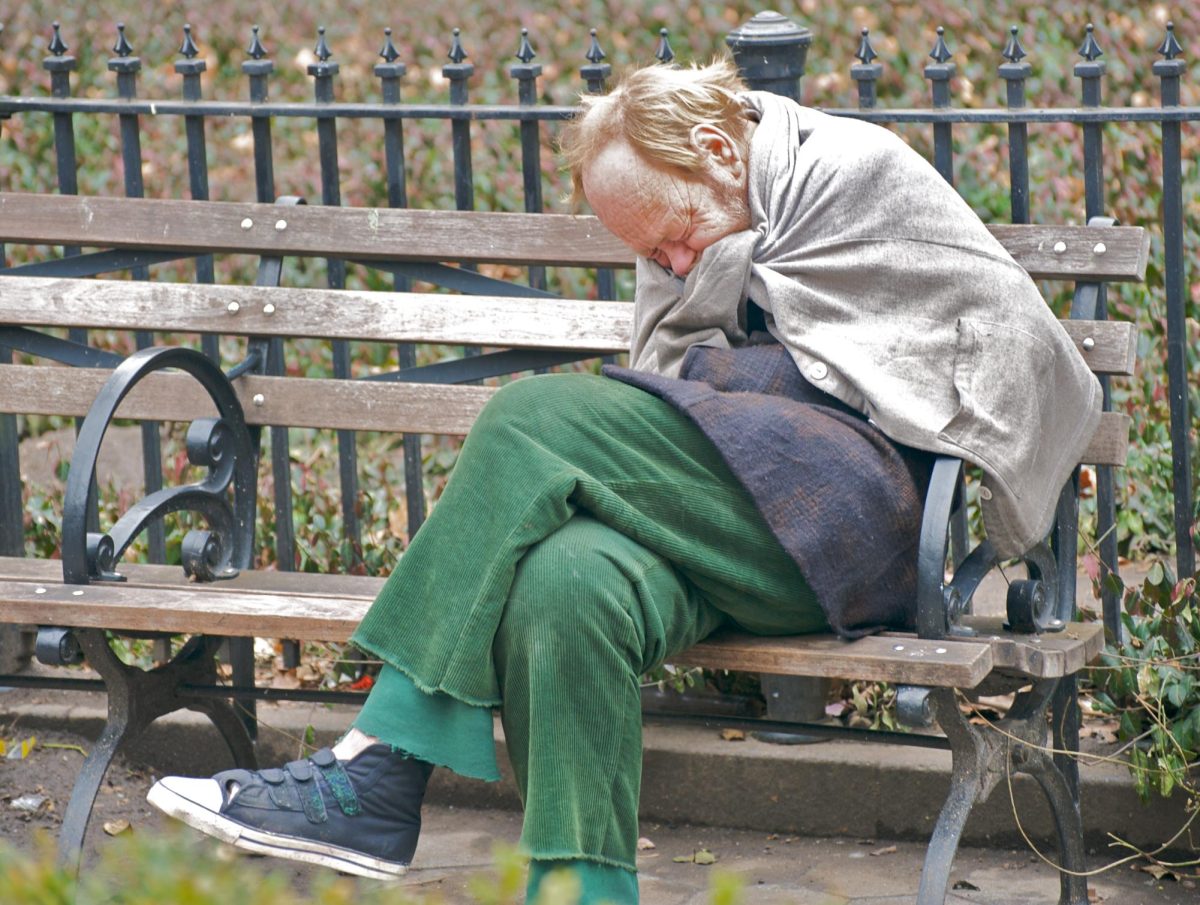
Bunch described stable ridership in Kansas City compared to others, where it plummeted. Despite this, there were concerns over safety with bus drivers reporting more homeless people on board. It’s not confirmed whether riders were in any danger.
Kansas City’s transit authority will resume charging fares again in the spring. This may serve as a warning for New York, which has the largest ridership of all U.S. cities.
New Yorkers themselves are on the fence about a free bus service. In September’s New York Times/Siena Poll of the NYC Mayoral Election, two questions were asked about five policies proposed by mayoral candidates. Respondents had the option of choosing “support or oppose” for one of the questions and “should or should not do” for the other. Of the five policies, “make buses free” was one of them and 60% of respondents supported the policy while 44% of respondents thought that the city should launch this initiative.
The results reflect the polarity of supporting something versus putting it into action. New Yorkers may generally support the proposal at first but may have second thoughts when it comes to pursuing such an endeavor. It would require a great deal of time and cooperation from all ends.
In spite of the public’s concerns, Mamdani remains unfazed.
“It can’t just be making it free alone. You have to be making it free while actually making the infrastructure for it to be fast,” he said while aboard an M57 bus.
With the trepidation surrounding a proposal that would dramatically change NYC’s transportation system, smooth execution is cardinal.
Looking at security and funding concerns, as well as Kansas City as an example of this approach going wrong, it would be in the city’s best interest to refrain from implementing free buses.
Instead, low-income individuals should be given priority to have access to reduced or free fares. A targeted fare system would provide accessibility without jeopardizing stability — a smarter approach than blanket free rides.