
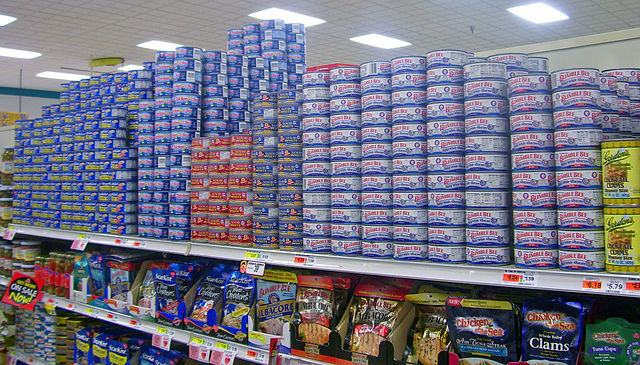
On Feb. 10, Tri-Union Seafoods ordered a voluntary recall of several tuna brands sold in Trader Joe’s, Costco, and Walmart. The company cites an issue with the can’s easy-pull tabs that may allow for leakage and contamination, posing risks of botulism.
Botulism is an illness caused by the consumption and growth of the bacteria Clostridium botulinum, which produces a lethal toxin that attacks the nervous system and can be fatal. The bacteria often thrive in conditions with minimal oxygen, making canned goods particularly susceptible.
The brands listed with possible pull tab lid defects are Genova, Van Camp’s, H-E-B, and Trader Joe’s, with Tri-Union Seafoods warning consumers to not consume any potentially impacted product, regardless of whether the tuna looks spoiled or not. Recalled cans were sent to Trader Joe’s in New York and to various chains in New Jersey. Customers are advised to toss cans immediately or return cans to the store purchased for a full refund.
This news comes not long after a January recall of over 2 million pastries in the United States and Canada was issued by FGF Brands, reigniting conversations and concerns surrounding
Last week, the nonprofit Public Interest Research Group published a report on food recalls in 2024, stating an 8% increase in FDA alerts and recalls for food and beverage. Most concerningly was the doubling of hospitalizations from recall-associated illnesses. PRIG’s director, Teresa Murray, told CNN “That seems to indicate that the food that was out there was perhaps more contaminated, sometimes with higher concentrations of bacteria to drive people to the hospital.”
Recalls from 2024 have had a lasting impact on the outlook of consumers. Surveyed Americans by the International Food Information Council reported a decrease in confidence in food safety, dropping from 62% in 2023 to 8% in 2024.
Looking forward, Murray has also expressed concern over how 2025 recalls will fare in the wake of potential funding cuts. She told Newsweek “Most food recalls are driven by three things: testing by companies and regulators, inspections by state and federal regulators and people seeking medical care. Anything that affects the FDA’s ability to do random food testing, conduct site inspections or work on investigations in outbreaks would be concerning.”