

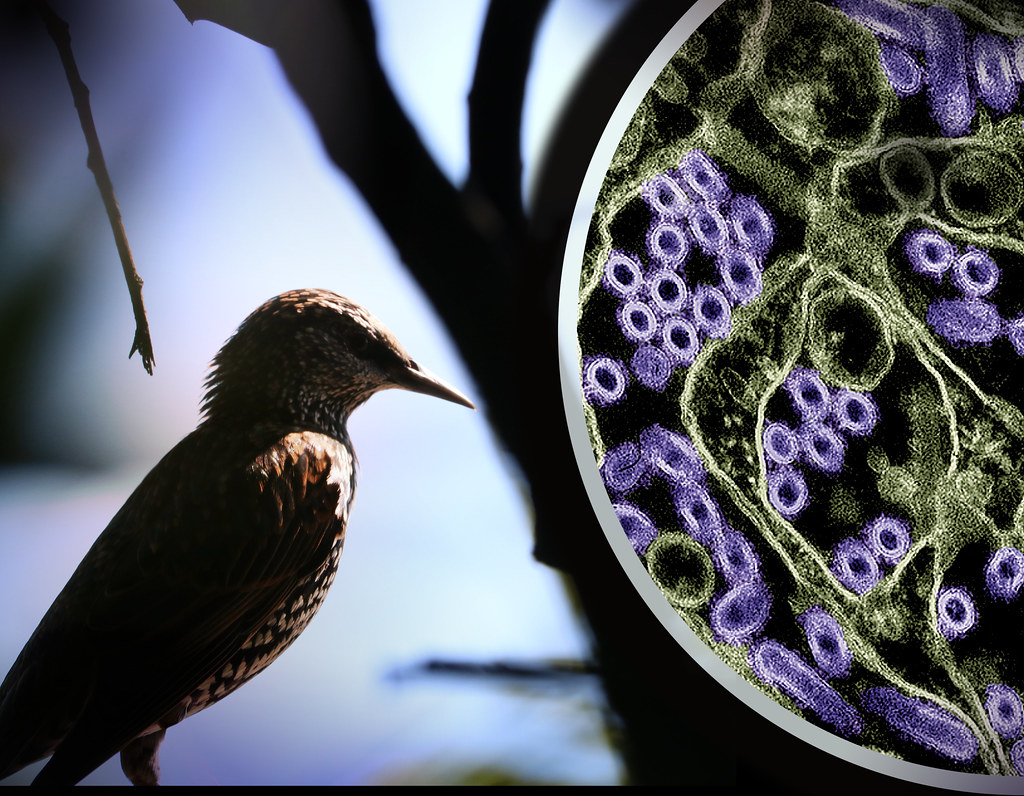
Bird flu cases are still rising, and this time it’s affecting more than just chickens. One main factor to this epidemic that gets overlooked is factory farming.
The battle against bird flu has been ongoing since the 17th century, when the first cases were spotted in Italy.
Bird flu was initially discovered in fowl but eventually spread to wild birds and poultry, evolving into new strains over time.
The most concerning of these — Highly Pathogenic Avian Influenza, or HPAI H5N1 — emerged in 2020 and now affects humans and a wide range of other species, including dairy cows, swans, turkeys and even seals.
According to the Centers for Disease Control, since March 2024, there have been outbreaks in 17 states, affecting dairy cows and over 100 million chickens and other poultry.
Given the long history of this virus, one might expect that experts would have developed a vaccine to control its spread among animals. Yet, 29 years later, cases remain persistent and are currently rising, with new species being infected.
Factory farming practices are a heavy contributor to the continuous spread of bird flu, yet their conditions continue to go unchanged.
Despite making headlines for killing poultry, factory farming practices rarely enter the bird flu conversation.
Factory farming refers to intensive farming operations designed to maximize meat production. These farms are often unsanitary, inhumane and unethical, cramming hundreds or even thousands of animals into tight spaces to meet production quotas.
For perspective, chickens in factory farms are often kept in battery cages around the size of an A4 piece of paper, with five to eight chickens crammed into each tiny cage. These cages are then stacked on top of and beside each other throughout the entire barn.
This kind of overcrowding creates the perfect environment for bird flu to spread rapidly and makes it nearly impossible to isolate sick birds.
Bird flu spreads through contact, particularly through feces, which is unavoidable in such cramped and unsanitary conditions.
Additionally, many factory-farmed animals are routinely given antibiotics before they are ever sick to prevent disease in these stressful, unsanitary environments. In the United States, more than half of all antibiotics produced are used in factory farming. Overusing antibiotics can contribute to antibiotic resistance, potentially creating new, more dangerous strains of bird flu.
The virus has recently begun affecting dairy cows and multiple humans. Even more alarming is the small but real possibility that bird flu could lead to another pandemic.
As of today, there have been 70 bird flu cases in the U.S., so far resulting in one human death. Workers in factory farms and slaughterhouses are at higher risk.
Many farmers spend long hours disposing dead animals, often without proper protective gear, exposing themselves to potentially dangerous pathogens. This increases the risk of bird flu spreading from animals to humans, which should be a major concern for public health.
Factory farming has no benefit other than putting meat on our plates, but in 2025, there are better ways to achieve this. Everyone, including animals to humans, is mentally and physically affected in the long-term by the factory farming industry.
Yet, many are unaware of the impact, which often gets swept under the rug. It is a critical issue and could be one of the main contributors to the rising health and environmental crises faced today.
Further awareness needs to be spread about factory farming and its negative outcomes so humans and animals can live healthier lives.